Most families do not plan what to do with cremated remains until the urn is sitting on a kitchen counter. The funeral is over, the casseroles have stopped arriving, and the question of what comes next gets quietly postponed. That is the moment most people start searching for options like Parting Stone.
Parting Stone takes the full volume of cremated remains and solidifies them into roughly 40 to 60 smooth, individual stones — no filler, no concrete, just the remains in a different physical form. Families can hold them, share them across siblings, place a few in a garden, and keep the rest at home.
This review is for families weighing it honestly: what the service actually does, what it costs, who it tends to fit, and where a simple urn, a scattering, or a small piece of cremation jewelry would serve you better.
Ad · Affiliate
Considering Parting Stone for a loved one's remains?
See how the process works, what families receive, and current pricing on the Parting Stone website. There is no pressure to decide today.
See How Parting Stone Works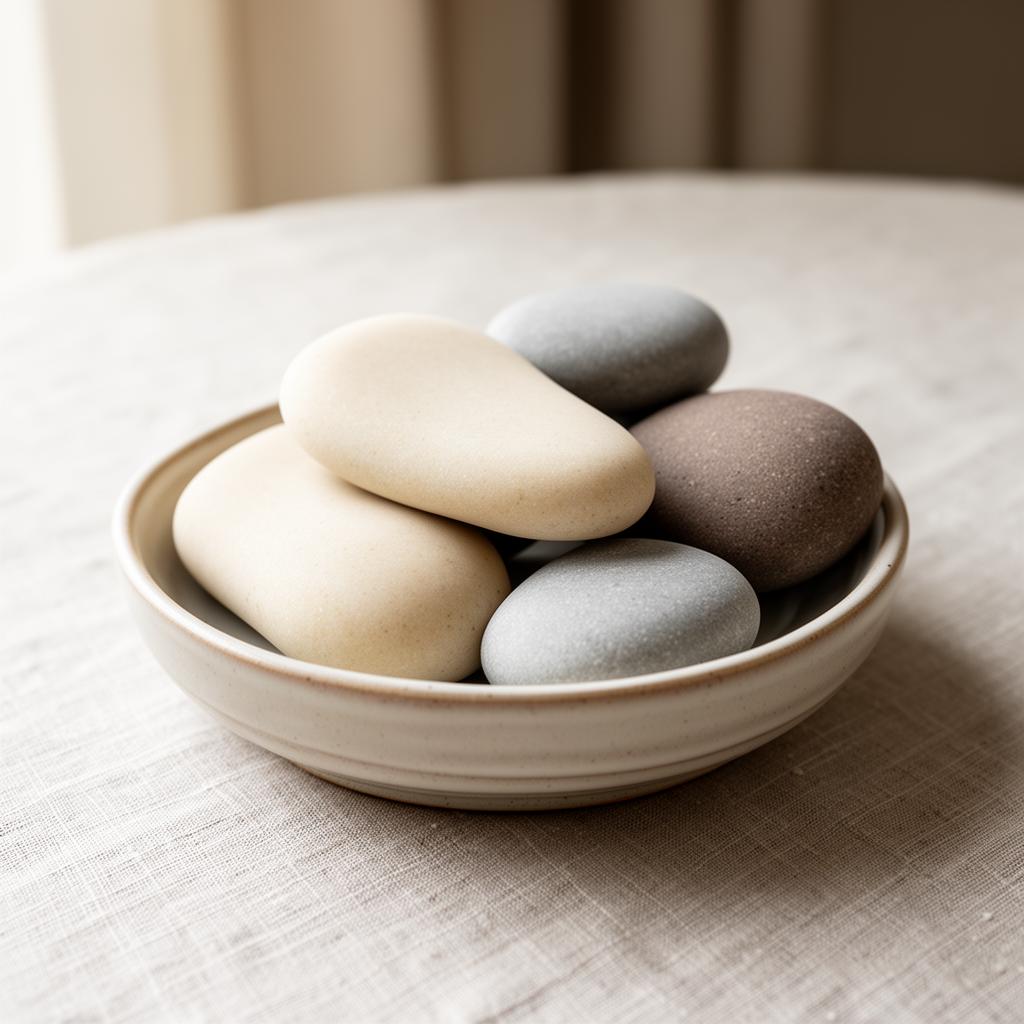
Illustrative image. Stone count, color, and shape vary naturally — confirm current product details directly with Parting Stone.
Quick Verdict
Best for
Families with several relatives who each want something tangible to hold or share.
Not best for
Tight budgets, planned burial of ashes, or faith traditions that keep remains together.
Main benefit
Tactile, shareable form — uses the full volume of remains, not just a small portion.
Main drawback
Higher cost than a basic urn, several-week turnaround, and the change is permanent.
Best alternative
A traditional urn for a single resting place, or a keepsake urn for sharing a small portion.
Bottom line
A thoughtful option for families who want something real to hold and share. Not the cheapest, not the right fit for everyone, but one of the more humane choices in the cremation memorial category.
Ad · Affiliate
Parting Stone may be worth considering if your family wants a clean, shareable alternative to keeping ashes in a traditional urn. See How Parting Stone Works →
How We Reviewed Parting Stone
WVFuneralBoard has not personally ordered Parting Stone. This is an editorial review based on the company's publicly available service details, side-by-side comparison with the most common cremation memorial alternatives (urns, keepsake urns, scattering, cremation jewelry, and memorial diamonds), pricing and value considerations relative to those alternatives, and the practical decisions families typically face after cremation — budget, sharing across relatives, portability, and emotional readiness. Where the right answer depends on personal or faith-based factors, we say so rather than pushing a single choice.
What Is Parting Stone?
Parting Stone is a memorial service that converts cremated remains into smooth, solid stones. Instead of receiving a bag of cremated remains in a temporary container — the form most funeral homes return ashes in — families receive a set of polished stones made from those same remains. There are no fillers, additives, or concrete. The stones are produced from the remains themselves through a proprietary solidification process developed by the company.
The result is a tactile, calm keepsake. Families describe it as feeling more like a gathering of memorial objects than a single sealed container. For some, that is exactly what makes Parting Stone meaningful. For others, the traditional act of keeping ashes in one urn or scattering them in a single place is closer to what they want. Both are valid ways to honor a life.
How Parting Stone Works
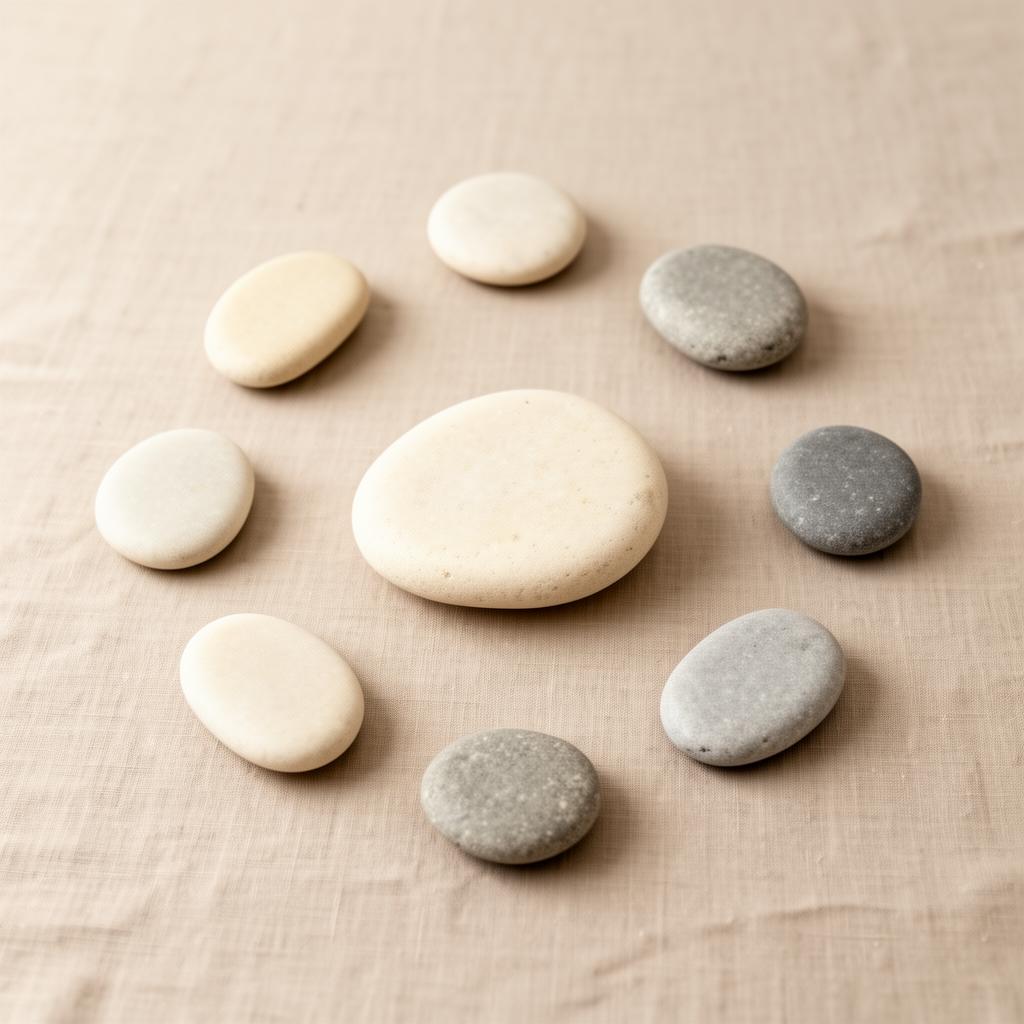
The process is intentionally simple and is generally as follows:
- Order online or through a funeral home. Parting Stone partners with many funeral providers; some families arrange it directly.
- Receive a shipping kit. The company sends a kit designed specifically for safe transport of cremated remains.
- Send in the cremated remains. The full volume of remains is shipped to the Parting Stone facility.
- Solidification process. Over several weeks, the remains are processed into roughly 40 to 60 smooth, individual stones (count varies by individual).
- Stones are returned. The finished stones arrive in a presentation container ready to be held, displayed, shared, or placed.
Families do not need to be involved in the technical side of the process. The decision points are upstream — whether Parting Stone is the right form for the remains, and how the family plans to share or place the finished stones afterward.
Ad · Affiliate
Parting Stone may be worth considering if your family wants a clean, shareable alternative to keeping ashes in a traditional urn. See how Parting Stone works →
What Families Receive
A typical Parting Stone return shipment includes:
- Roughly 40 to 60 solidified stones made from the full volume of cremated remains. Count, color, and shape vary naturally from person to person.
- A presentation container for the stones, suitable for display or storage.
- Documentation identifying the set.
Each set of stones is unique. They are smooth and stable, comfortable to hold, and small enough that family members can easily carry one in a pocket, place one on a shelf, or set one in a garden. Because the full volume of remains is used, families do not have to choose between Parting Stone and "keeping the rest" — there is no remainder to keep separately.
Parting Stone Cost: What to Expect
Parting Stone is generally priced as a single flat package per person, with a separate flat package for pets. We do not quote exact figures because pricing changes and is sometimes bundled through funeral homes. The most reliable number is the one shown on the Parting Stone website at the time you order, or the price your funeral home offers if they include it as an option.
As a general frame, where Parting Stone tends to sit relative to other cremation memorial choices:
- Above a basic urn or simple keepsake container.
- Roughly comparable to a higher-end designed urn or a quality keepsake set.
- Below most memorial diamonds and many full cremation jewelry collections.
For a deeper breakdown of pricing, what is included, and how it compares with urns and other keepsakes, see our dedicated Parting Stone cost guide and the broader cremation stones cost overview, our walkthrough of whether Parting Stone is worth the cost, our broader explainer on cremation stones as a category, our walkthrough of how providers turn ashes into stones, or compare it side by side with other memorial options in our Parting Stone alternatives guide. It is also worth comparing the service honestly to the broader cremation budget — our cremation vs burial cost calculator and cremation vs burial costs guide can help frame what you are spending overall before adding a memorial keepsake on top. Families should confirm current pricing, turnaround, and service details directly on the Parting Stone website before ordering, as packages and bundling through funeral homes change over time. our walkthrough of whether Parting Stone is worth the cost, our broader explainer on cremation stones as a category, our walkthrough of how providers turn ashes into stones, or compare it side by side with other memorial options in our Parting Stone alternatives guide. It is also worth comparing the service honestly to the broader cremation budget — our cremation vs burial cost calculator and cremation vs burial costs guide can help frame what you are spending overall before adding a memorial keepsake on top. Families should confirm current pricing, turnaround, and service details directly on the Parting Stone website before ordering, as packages and bundling through funeral homes change over time.
Parting Stone Cost vs Other Cremation Memorial Options
Approximate cost ranges to help families compare options at a glance. These are general industry frames, not quotes — confirm any specific service price directly with the provider.
| Option | Typical cost range | Uses all remains or a portion | Shareable with family | Best for | Main drawback |
|---|---|---|---|---|---|
| Parting Stone | Mid (low hundreds) | All — full volume | Yes — naturally divides into ~40–60 stones | Families wanting a tactile, shareable form | Permanent; several-week wait |
| Traditional urn | Low to mid | All — full volume | Hard — usually one container | Burial of ashes or a single home placement | Stays one container; harder to share |
| Keepsake urn | Low (per piece) | Small portion only | Yes — buy several to share | Sharing a small portion across a few relatives | Holds only a small portion of remains |
| Cremation jewelry | Low to mid (per piece) | Small portion only | One person at a time | Someone who wants to wear a piece daily | Holds only a small portion of remains |
| Scattering ashes | Lowest (often free) | All — full volume | One-time event | Families with a clear, agreed location | Permanent; family must agree on location |
| Memorial diamond | Highest (thousands) | Small portion only | One stone; very high cost to repeat | Families wanting a single heirloom piece | Highest cost; long lead time |
| Memorial reef / specialty | Mid to high | All or partial, varies by program | One-time placement | Families drawn to ocean or nature memorials | Geographic limits; permanent placement |
Cost ranges are general frames for comparison and not guarantees. Always confirm current pricing directly with Parting Stone or the relevant provider before ordering.
Ad · Affiliate
Want to see today's exact Parting Stone pricing and what is included? See How Parting Stone Works →
Parting Stone Pros and Cons
Pros
- Uses 100% of the cremated remains — no portion left over to decide about later
- Roughly 40–60 stones means a family of 4–6 can each receive several without rationing
- Stones are stable and dust-free — practical for households with small children or pets
- Quiet placement option: a stone in a garden bed or on a hike does not require a public scattering ceremony
- Available either direct from Parting Stone or arranged through many funeral homes at intake
- Documentation accompanies each set, which can matter for travel or future inheritance
- Pet sets are offered separately — useful for families memorializing a beloved animal
Cons
- Typically several hundred dollars more than a basic urn or simple keepsake set
- Requires shipping cremated remains to the lab — some families and faith traditions are uncomfortable with this
- The process is irreversible; you cannot turn the stones back into loose ash if a family member later wants a traditional scattering
- Several-week turnaround means it is rarely an option for a memorial service held within days of death
- Stones are not customizable in shape, count, or color — what comes back is what comes back
- If only one or two relatives want a keepsake, a single keepsake urn or piece of jewelry may serve the purpose for far less money
Affiliate link · Take your time
If you want to read the company's own description of the process, current pricing, and timing, you can visit the Parting Stone website. There is no need to decide today — many families take weeks or months.
Who Parting Stone May Be Right For
- Families with several adult children or close relatives who each want something tangible to hold or place
- Households who feel uneasy keeping ashes in a sealed urn long-term and have not been able to decide on scattering
- People who want a calmer, less visible way to place a memorial in nature than a traditional scattering
- Families looking for a memorial form that can be displayed gently in a home without feeling somber
- Pet owners seeking a tactile keepsake of a beloved animal
- Adult children handling a parent's estate who want to share something concrete with siblings — see our guide on dividing a parent's belongings among siblings for the broader emotional context
When Parting Stone May Not Be the Right Choice
Parting Stone is a thoughtful service, but it is not the right answer for every family. Honest situations where another option likely fits better:
- The cremation budget is already stretched. If you are working through cheapest cremation and burial options, a basic urn or scattering will preserve money for other end-of-life expenses.
- Burial of ashes is the plan. If the remains are going into a cemetery plot, columbarium niche, or family grave, an urn is the simpler and traditional choice.
- Faith or cultural tradition calls for keeping remains together. Several traditions are explicit about this. Talk with your clergy or community leader before deciding.
- Time is short. If a memorial service is happening within a week or two, Parting Stone will not be ready in time. A keepsake urn is faster.
- Only one person wants a keepsake. A single piece of cremation jewelry or a small keepsake urn typically costs much less and serves the same emotional purpose.
- Family members disagree. Because the process is irreversible, it is not a decision to make over a relative's objection. If there is meaningful disagreement, an urn keeps options open while the family talks it through.
For broader help thinking through end-of-life decisions, our guides on pre-planning a funeral and what to do when someone dies walk through the wider picture.
Questions to Ask Before Choosing Parting Stone
Whether you are talking to your funeral home or ordering directly, these are the questions worth answering on paper before placing an order:
- Is everyone in the immediate family on board? The change is permanent. A short, calm conversation now avoids a difficult one later.
- What is the current price, and is it bundled through our funeral home? Funeral home pricing sometimes differs from direct.
- How many stones should we expect for our loved one's remains? Counts vary by individual; the funeral home or Parting Stone can give a general range.
- What is the current turnaround? Confirm before any time-sensitive memorial date.
- How will the remains be shipped, and who is responsible during transit? Ask about packaging, tracking, and insurance.
- How will we divide the stones? Decide who gets what, and whether some will be placed in meaningful locations, before the set arrives.
- Do we want any portion held back as loose ashes? If yes, you must request that before sending — the full volume is otherwise solidified.
- Where will the stones live long-term? Display, garden, travel, scattering — having a rough plan makes the arrival feel less abrupt.
These questions are not meant to discourage anyone — they are the same kinds of questions a thoughtful funeral director would walk you through. Writing the answers down is often what turns a wavering "maybe" into a confident decision either way.
Parting Stone vs Urn, Keepsake Urn, Jewelry, Scattering & Memorial Diamond
A side-by-side look at the six most common cremation memorial paths families compare. None of these is universally "best" — each suits a different family and different priorities.
| Criterion | Parting Stone | Traditional Urn | Keepsake Urn | Cremation Jewelry | Scattering | Memorial Diamond |
|---|---|---|---|---|---|---|
| Best for | Families wanting a tactile, shareable form | Burial of ashes or a single home placement | Sharing a small portion across a few relatives | One person who wants to wear a piece daily | Families with a clear, agreed-upon location | Families wanting a single heirloom piece |
| Uses all or some remains | All — full volume | All — full volume | Small portion only | Small portion only | All — full volume | Small portion only |
| Shareable with family | Naturally (~40–60 stones) | Hard — usually one container | Yes, in small portions | One person at a time | One-time event | One stone, very high cost to repeat |
| Portable | Yes — pocket-sized | Limited — bulky to move | Very portable | Worn daily | N/A — released | Yes |
| Approximate cost range | Mid (hundreds) | Low–mid | Low (per piece) | Low–mid per piece | Lowest (often free) | Highest (thousands) |
| Main drawback | Permanent; several-week wait | Stays one container; harder to share | Holds only a small portion of remains | Holds only a small portion of remains | Permanent; family must agree | Highest cost; long lead time |
Many families end up combining options — a piece of jewelry for the surviving spouse, an urn for a future cemetery niche, and a small set of stones to share with grown children. There is no rule that says you must choose only one.
Parting Stone vs a Traditional Urn (in Plain Terms)
An urn keeps everything together in one place. Parting Stone breaks the remains into a set that can travel with several family members at once. If your family wants a single resting place — at home, in a niche, or in the ground — an urn is simpler and less expensive. If you want several people to each carry something tangible, Parting Stone is built for that. Neither is "better" in the abstract; they answer different questions.
Parting Stone vs Scattering Ashes
Scattering ashes is one of the oldest and most personal cremation traditions. It can be deeply meaningful — and it can also feel final in a way some family members are not ready for. Parting Stone offers a middle path. Stones can be quietly placed in meaningful locations without the visible scattering that some families find difficult, and a few stones can still be kept at home or shared among relatives.
If your family is already united on a scattering location and ready, scattering may be the simpler choice. If there is hesitation — a parent who is not ready, siblings in different states, or no clear single location — Parting Stone gives you more time and more room for the family to make its own choices over time.
Parting Stone vs Cremation Jewelry
Cremation jewelry holds a small portion of cremated remains inside a pendant, ring, or bracelet. It is wearable, intimate, and personal — but it uses only a tiny portion of the remains, leaving the question of what to do with the rest unresolved. Parting Stone uses the full volume of remains and produces objects that are held rather than worn.
Many families combine the two: a piece of jewelry for the person closest to the loved one and Parting Stone for the broader family. Both are valid ways to keep a connection close.
Should You Choose Parting Stone, an Urn, or Another Memorial Option?
There is no single right answer. The right choice usually comes from honestly answering a handful of questions about your family. Use the prompts below as a quick decision filter.
- Budget. If keeping cost low is the top priority, a basic urn or scattering will usually serve the family best. Parting Stone sits in the mid-price range for cremation memorials.
- How many people want a keepsake. If three or more relatives each want something tangible, Parting Stone naturally divides into shareable pieces. If only one person does, cremation jewelry or a single keepsake urn is often a better fit.
- Comfort with keeping remains at home. Some families are at peace with an urn on a shelf for years. Others find it heavy. Parting Stone gives a calmer, less weighted form to live with.
- Desire to share remains. Sharing ashes from a single urn can feel awkward and clinical. A set of stones is built for sharing without rationing.
- Portability. If a child lives out of state and wants something they can bring home, a stone or a piece of jewelry travels far easier than an urn.
- Traditional vs modern preference. If your family or faith tradition leans toward keeping all remains together in one container, a traditional urn is the more aligned choice. Parting Stone is a newer, more contemporary form.
- Emotional readiness. If the family is not ready to make a permanent decision yet, an urn keeps options open. Parting Stone is permanent — the stones cannot be returned to loose ash.
If most of your answers point toward sharing, portability, and a calmer form to live with, Parting Stone is worth considering. If most point toward keeping remains together, faith tradition, or a tight budget, a traditional urn or scattering is likely the better fit.
Parting Stone Alternatives
If Parting Stone is not the right fit, common alternatives families consider include:
- Traditional urn — keeps all remains together in a single container, suitable for home display, niche placement, or burial of ashes.
- Keepsake mini-urns — small urns that hold a portion of remains, often used to share across family members alongside a main urn.
- Scattering ashes — releasing remains in a meaningful natural location; check local rules first.
- Cremation jewelry — pendants, rings, or bracelets designed to hold a small portion of remains.
- Memorial diamonds — gemstones grown from carbon in cremated remains; the most expensive option in this category.
- Photo memorials and digital tributes — framed portraits, photo books, or online memorial pages that focus on the life rather than the remains.
- Burial of ashes — interring remains in a cemetery plot, columbarium niche, or family grave.
For broader context on cremation choices and what comes after, see our guides on direct cremation, celebration of life ideas, and how to plan a funeral.
Parting Stone Complaints, Concerns, and Things to Know
Parting Stone is broadly well regarded, but there are honest concerns families raise — and they are worth thinking through before sending remains. None of these are dealbreakers; they are simply the trade-offs that come with the service.
- It costs more than a basic urn. A simple urn or temporary container will always be the lower-priced choice if budget is the main consideration.
- The process takes time. Turnaround is typically several weeks, which means it is not a good fit if a memorial service is happening within days.
- Stone count, size, color, and shape vary naturally. Each set is unique. Families who want a precise, uniform look may be happier with a manufactured keepsake.
- It may not suit families who prefer a traditional urn. If keeping all of the remains together in one container matters to your family or faith tradition, an urn is the more aligned choice.
- Other paths can serve the same emotional need. Scattering, burial, cremation jewelry, or a quality keepsake urn each meet different priorities.
- The decision should be a family conversation. Because the process is irreversible, it is worth talking through with immediate family before sending remains — even a short conversation prevents a difficult one later.
These are concerns, not warnings. The same kinds of questions apply to most cremation memorial choices, including urns and scattering. The point is to make the decision with eyes open rather than under time pressure.
Ad · Affiliate
If your family has weighed the trade-offs and wants to look closer, see how Parting Stone works on the official site → You can review the process and current pricing without committing to anything.
Final Verdict
Parting Stone is a thoughtful, well-executed answer to a real problem: many families do not actually know what they want to do with cremated remains, and a traditional urn often becomes a placeholder rather than a final decision. By turning the full volume of remains into a set of smooth stones that can be held, shared, and placed gently, Parting Stone gives families a calmer, more flexible way to memorialize a loved one.
It is not the cheapest option and it is not the right fit for every family — particularly those committed to keeping remains together or already at peace with scattering. But for families looking for a respectful middle path, a tangible keepsake, or a way to share something meaningful across several relatives, Parting Stone is one of the more humane options in the cremation memorial category.
Editorial Note
WVFuneralBoard is an independent funeral planning resource and does not replace advice from a funeral director, crematory, attorney, or other licensed professional. Families should confirm current pricing, timing, eligibility, shipping, and service details directly with Parting Stone before ordering.
Ad · Affiliate
See if Parting Stone fits your family
Read how the process works, what families receive, and current pricing directly on the Parting Stone website. There is no pressure — many families take time to decide.
See How Parting Stone WorksAffiliate link. WVFuneralBoard may earn a small commission at no extra cost to you.
Parting Stone and Shark Tank
Many families first hear about Parting Stone from its appearance on Shark Tank, where the founder pitched the idea of solidifying cremated remains into touchable stones. The TV moment helped introduce the category to a wider audience, but the decision of whether the service is right for your family rests on the same practical questions covered above — cost, who in the family wants a keepsake, and whether you prefer a traditional urn, scattering, or something more shareable. For the episode, the publicly reported deal, and what happened after the show, see our Parting Stone Shark Tank update. If you are wondering about local availability, see our Parting Stone near me guide. For background on the format itself, see our solidified remains explainer.
Frequently Asked Questions
Related Guides
Trust
Is Parting Stone Legit?
Concerns
Parting Stone Complaints
Cremation
Direct Cremation Guide
Decision
What to Do With Ashes After Cremation
Pets
Pet Cremation Stones
Jewelry
Cremation Jewelry for Ashes
Compare
Parting Stone vs Urn
Compare
Parting Stone vs Cremation Jewelry
Compare
Parting Stone vs Scattering Ashes
Compare
Parting Stone vs Memorial Diamond
Pets
Pet Memorial Ideas
Pets
Pet Memorial Stones
Urns
Urns for Cremation Ashes
Costs
Cremation vs Burial Costs
Tool
Cremation vs Burial Calculator
Memorial
Celebration of Life Ideas
First Steps
What to Do When Someone Dies
Planning
How to Plan a Funeral
Planning
Pre-Planning a Funeral
Costs
How Much Does a Casket Cost?
Reference
Casket vs Coffin