Choosing how to honor a loved one's cremated remains is deeply personal. This guide compares Parting Stone — a service that transforms cremated remains into smooth, stone-like solidified pieces — with cremation jewelry for ashes, including urn necklaces, ashes necklaces, cremation rings, pendants, bracelets, and charms, so your family can make a calm, informed decision.
Quick Answer
Parting Stone vs cremation jewelry at a glance
- Choose cremation jewelry if someone wants a wearable personal keepsake — an urn necklace, ashes necklace, cremation ring, pendant, bracelet, or charm.
- Choose Parting Stone if the family wants touchable, shareable stone-like pieces instead of loose ashes or wearable jewelry.
- Cremation jewelry usually uses or holds only a very small portion of ashes.
- Parting Stone may be better when multiple relatives want physical keepsakes without loose ashes or wearable jewelry.
- Some families choose both — jewelry for one relative who wants to wear a memorial, stones for relatives who prefer something to hold or display.
- Neither option is always better. The right choice depends on comfort, budget, family sharing, style, timing, and the loved one's wishes.
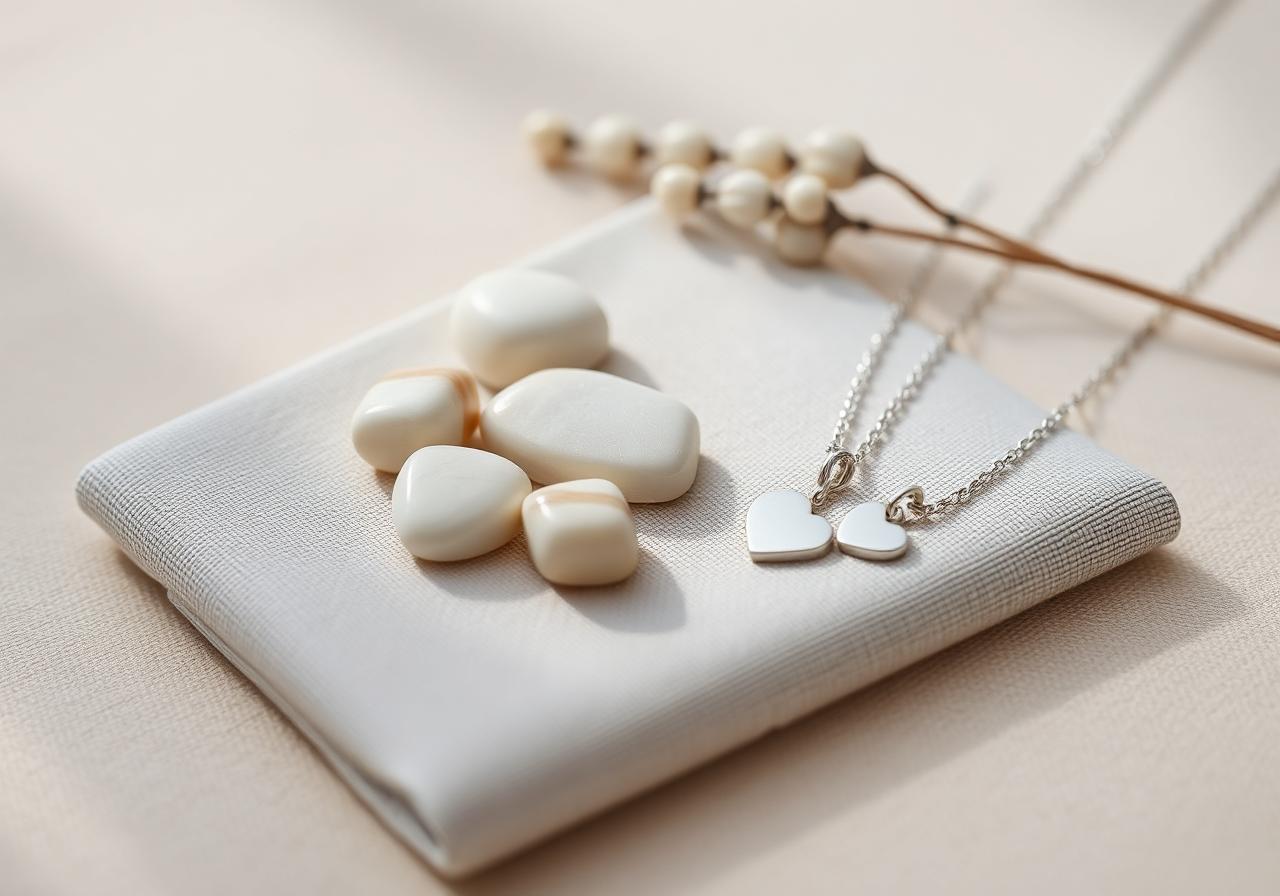
Example visual of cremation stones beside cremation jewelry. Final appearance varies by provider.
Ad · Affiliate
See how Parting Stone works
If your family is comparing Parting Stone with cremation jewelry, review the current process, pricing, and timeline directly before deciding.
See How Parting Stone WorksWhat This Guide Covers
- Parting Stone vs cremation jewelry: the main difference
- Quick comparison table
- Wearable vs shareable: quick decision table
- What is Parting Stone?
- What is cremation jewelry for ashes?
- When cremation jewelry may be the better choice
- When Parting Stone may be the better choice
- Parting Stone vs cremation jewelry cost
- Parting Stone vs urn necklace
- Parting Stone vs cremation rings
- Parting Stone vs jewelry made from ashes
- Which option is easier to share with family?
- Can families choose both?
- Which is better if you dislike loose ashes?
- Which is better if you want a wearable memorial?
- Parting Stone vs cremation jewelry vs urns
- Best choice by family situation
- Questions to ask before choosing
- Alternatives to Parting Stone and cremation jewelry
- What if your family disagrees?
- Final verdict
- FAQ
Parting Stone vs Cremation Jewelry: The Main Difference
Cremation jewelry is wearable memorial jewelry — usually an urn necklace, ashes necklace, cremation pendant, ring, bracelet, or charm — that holds or incorporates a small portion of ashes.
Parting Stone transforms cremated remains into smooth, stone-like pieces called solidified remains, also known as cremation stones. Instead of one wearable piece, the family receives a set of pieces they can hold, share, and display.
Cremation jewelry may be best for one personal wearable memorial. Parting Stone may be better for families who want multiple touchable keepsakes. Both can be deeply meaningful — and many families choose both: jewelry for one relative, stones for others. For more background, see our explainer on how providers turn ashes into stones and our overview of cremation jewelry for ashes.
Quick Comparison Table
How Parting Stone compares with common cremation jewelry types and other memorial options. Cost levels are broad and may vary — confirm current pricing directly with each provider.
| Option | Best for | Uses all ashes? | Wearable? | Shareable? | Cost level | Main drawback | Related guide |
|---|---|---|---|---|---|---|---|
| Parting Stone / solidified remains | Touchable, shareable family keepsakes | Most or all | No | Yes — multiple pieces | Premium | Higher cost; appearance varies | Parting Stone review |
| Urn necklace for ashes | Discreet wearable keepsake | Very small portion | Yes | Yes (per piece) | Low–Moderate | Holds very little; seal quality varies | Cremation jewelry |
| Ashes necklace / cremation pendant | Personal wearable memorial | Very small portion | Yes | Yes (per piece) | Low–High | Material and craftsmanship vary | Cremation jewelry |
| Cremation ring | Daily wearable for ring-wearers | Very small portion | Yes | Yes (per piece) | Moderate–High | Sizing, durability, and water exposure | Cremation jewelry |
| Cremation bracelet or charm | Subtle daily-wear remembrance | Very small portion | Yes | Yes (per piece) | Low–Moderate | Easier to lose than a necklace | Cremation jewelry |
| Traditional urn | One familiar central memorial | All | No | Limited | Low–Moderate | Not easily divided; remains are loose | Urns guide |
| Keepsake urns | Dividing ashes among relatives | Small portion (per urn) | No | Yes — one per relative | Low–Moderate | Each holds only a small portion of loose ashes | Keepsake urns |
| Scattering ashes | Honoring a release wish | All or portion | No | No (released) | Low | Final; rules vary by location | Ashes guide |
| Memory box / photo memorial | Personal, low-cost remembrance | None or token | No | Yes (DIY) | Low | Less of a 'remains' format | Ashes guide |
Wearable vs Shareable: Quick Decision Table
If you're choosing fast, match the family's main goal to the best-fit memorial below.
| Your goal | Better fit | Why | What to consider |
|---|---|---|---|
| Want to wear the keepsake | Cremation jewelry | Designed to be worn — necklace, ring, pendant, bracelet, or charm. | Confirm material, durability, water resistance, and ash amount needed. |
| Want several relatives to have keepsakes | Parting Stone or multiple jewelry pieces | Stones come as a set; jewelry can be bought one piece per relative. | Compare total cost across relatives, not just one item. |
| Want one private memorial item | Single cremation pendant or ring | A single wearable piece kept by one person. | Decide who will keep it long-term. |
| Want something to hold or display | Parting Stone / solidified remains | Stones can be held in the hand, displayed on a shelf, or passed around. | Premium cost; appearance varies by set. |
| Want to avoid loose ashes | Parting Stone / solidified remains | Cremated remains return as solid, stone-like pieces instead of loose ashes. | Premium cost; final color, shape, and number of pieces can vary. |
| Want a lower-cost option | Simple urn necklace or basic pendant | Often the lowest-cost wearable cremation keepsake. | Holds only a tiny amount; check seal quality and reviews. |
| Want a non-jewelry memorial | Parting Stone, urn, or keepsake urns | Non-wearable formats for the home, mantle, or shared display. | Decide on display location and who keeps each piece. |
| Family members want different options | Combine: jewelry + stones + urn portion | Different relatives can each choose a keepsake that fits them. | Talk through wishes and divide ashes respectfully before ordering. |
Ad · Affiliate
If your family is comparing wearable jewelry with touchable cremation stones
Parting Stone may be worth reviewing before you decide. Confirm the current process, pricing, and timeline directly.
See How Parting Stone WorksWhat Is Parting Stone?
Parting Stone is one well-known provider of solidified remains. Solidified remains are cremated remains that have been transformed into smooth, stone-like memorial pieces. Families may keep, share, display, or use them as part of a broader memorial decision, depending on their wishes and the provider's guidance.
For more context, see our Parting Stone review, our Parting Stone cost guide, our balanced look at whether Parting Stone is worth it, our notes on whether Parting Stone is legit, and a summary of Parting Stone complaints.
What Is Cremation Jewelry for Ashes?
Cremation jewelry is memorial jewelry that holds or incorporates a small amount of cremated ashes. Common types include:
- Urn necklaces and ashes necklaces with a tiny internal compartment.
- Cremation pendants — often heart-, teardrop-, or cylinder-shaped.
- Cremation rings — with a sealed compartment or ashes set into the band.
- Cremation bracelets and charms.
- Lockets that may hold a token amount of ashes alongside a photo.
- Custom ashes-into-glass, resin, or precious-metal jewelry from specialty makers.
Material, durability, water resistance, and how the ashes are sealed or incorporated vary widely by maker. Always confirm material, ash amount needed, return policy, shipping, and process before ordering. For full details, see our cremation jewelry for ashes guide.
When Cremation Jewelry May Be the Better Choice
Someone wants a wearable personal keepsake
Cremation jewelry is designed to be worn daily and kept close to the body.
Only a small portion of ashes will be used
Most pieces use a very small amount, leaving most remains with the family.
The person prefers necklaces, rings, pendants, bracelets, or charms
Style preference is a real factor — a worn keepsake should feel right.
A private, personal memorial feels better than family-wide
Jewelry tends to be one person's keepsake rather than a shared display.
Multiple relatives want their own jewelry pieces
Each relative can pick a piece that matches their style and budget.
Budget or style is the main driver
Simple urn necklaces and pendants can be a lower-cost wearable option.
The person wants their loved one close every day
Worn daily, jewelry can feel like a constant, comforting presence.
When Parting Stone May Be the Better Choice
Several family members want touchable keepsakes
Parting Stone returns a set of solid pieces that can be divided among relatives.
The family is uncomfortable with loose ashes
Solid stone-like pieces may feel easier to hold than loose cremated remains.
The family does not want to wear ashes as jewelry
Some relatives prefer a non-wearable, displayed memorial.
The family wants a non-jewelry alternative
Stones can sit on a shelf, mantle, garden spot, or be passed hand to hand.
The family wants something to hold, display, share, or place
Solidified remains support many memorial uses without being worn.
The family wants an alternative to a traditional urn
Stones offer a more shareable, less container-focused format.
The family is comfortable with the cost and timeline
After confirming current pricing, process, and shipping directly with the provider.
Parting Stone vs Cremation Jewelry Cost
Cost varies widely on both sides — material, design, customization, and provider all matter.
- Simple urn necklaces and basic cremation pendants are usually a lower-cost wearable keepsake.
- Premium cremation jewelry — gold, sterling silver with gemstones, or custom ashes-into-glass and resin pieces — can rival or exceed Parting Stone pricing.
- Parting Stone is usually a premium memorial option compared with simple jewelry, but it returns a full set of shareable pieces rather than a single wearable item.
- If multiple relatives each want their own keepsake, the comparison shifts: several jewelry pieces vs one Parting Stone set may be closer in total cost than comparing a single necklace to Parting Stone.
- Comfort with loose ashes vs solid pieces, and wearable vs displayable, are part of the value calculation — not just price.
For structured pricing breakdowns, see our Parting Stone cost guide and our broader cremation stones cost overview. Confirm current Parting Stone pricing, packages, shipping, and timeline directly with the provider — and confirm jewelry material, ash amount needed, durability, water resistance, shipping, and return policy with the jewelry maker before buying.
Ad · Affiliate
Check current Parting Stone pricing
Pricing, packages, and timelines change. Confirm the latest details directly before comparing with cremation jewelry.
Check Current Parting Stone PricingParting Stone vs Urn Necklace
- An urn necklace (also called a necklace for ashes or ashes necklace) holds a tiny amount of ashes inside a wearable pendant.
- It may be the better fit for someone who wants a discreet personal keepsake worn close to the body.
- Parting Stone may be better when several relatives want physical keepsakes, or when the family does not want to wear ashes.
- Some families do both — one urn necklace for the closest person, plus a Parting Stone set for the wider family.
Parting Stone vs Cremation Rings
- Cremation rings can be deeply meaningful for people who prefer rings over necklaces.
- They typically use or hold a very small amount of ashes — confirm exactly how with the maker.
- Rings may be the better fit for one person's daily-wear memorial.
- Parting Stone may be better for family-wide sharing rather than a single wearer.
- Confirm sizing, durability, and water exposure rules before buying a cremation ring.
Parting Stone vs Jewelry Made From Ashes
- Some specialty makers incorporate ashes into glass, resin, or custom jewelry — sometimes called "jewelry from ashes" or "ashes into jewelry."
- Quality varies. Always check materials, durability, reviews, return policy, and how unused ashes are handled.
- Parting Stone is different — it is not wearable jewelry. It transforms cremated remains into solidified, stone-like memorial pieces.
- Both can be meaningful, and some families combine them — a small custom jewelry piece for one relative, stones for others.
Which Option Is Easier to Share With Family?
How easy each option is to share depends on how many people want a keepsake and what each person is comfortable keeping:
- Cremation jewelry can be shared — but only if multiple pieces are purchased, one per relative. Each person picks their own style and budget.
- Keepsake urns can also help divide ashes among relatives, with one small urn per person.
- Parting Stone may be easier when the family wants multiple touchable, stone-like pieces from a single set, without buying separate items per relative.
- The best choice depends on how many people want keepsakes, whether they want to wear or hold them, and what each person is comfortable keeping at home.
For sharing-focused options, see our keepsake urns for ashes guide, our small urns for ashes guide, and our broader Parting Stone vs urn comparison.
Can Families Choose Both?
Yes. Many families do not need to choose only one memorial option. There is no rule that says everyone has to agree on a single keepsake.
- One relative may prefer cremation jewelry — an urn necklace, ashes necklace, ring, or pendant worn daily.
- Another may prefer a keepsake urn or small urn for the home.
- Another may prefer cremation stones (Parting Stone or another solidified-remains provider) to hold and share.
- If everyone agrees, families can respectfully divide the ashes so each relative receives the keepsake that fits them best.
- The loved one's wishes, family traditions, religious considerations, and each person's comfort level should guide the decision.
For broader options, see our overview of what to do with ashes after cremation, our small urns for ashes guide, and our keepsake urns for ashes guide.
Which Option Is Better If You Dislike Loose Ashes?
Some families feel uncomfortable with loose ashes in an urn or small container. Cremation jewelry may still require a small amount of ashes to be carefully placed into a compartment or sent to the maker, which can feel uncomfortable for some. Parting Stone may appeal to people who want cremated remains transformed into solid, stone-like pieces instead of kept loose — but neither approach is "right" or "wrong." Comfort matters as much as practicality.
Which Option Is Better If You Want a Wearable Memorial?
If the main goal is wearable remembrance, cremation jewelry is usually the better fit. Parting Stone is not jewelry — it produces solid stone-like pieces meant to be held, displayed, or shared, not worn. Some families choose both: jewelry for one person who wants to wear a memorial daily, and cremation stones or a small urn for relatives who prefer something to keep at home.
Parting Stone vs Cremation Jewelry vs Urns
A wider comparison across the most common memorial options.
| Option | Best for | Wearable? | Shareable? | Uses all ashes? | Cost level | Main concern | Related guide |
|---|---|---|---|---|---|---|---|
| Parting Stone | Shareable stone-like keepsakes | No | Yes — multiple pieces | Most or all | Premium | Higher cost; appearance varies | Parting Stone review |
| Cremation jewelry | Wearable personal keepsake | Yes | Yes — per piece | Very small portion | Low–High | Holds very little; quality varies | Cremation jewelry |
| Traditional urn | One central memorial | No | Limited | All | Low–Moderate | Not easily divided | Urns guide |
| Keepsake urns | Dividing portions among relatives | No | Yes — per urn | Small portion (per urn) | Low–Moderate | Holds loose ashes | Keepsake urns |
| Small urns | Compact home or shelf display | No | Yes (limited) | Portion | Low–Moderate | Limited capacity | Small urns |
| Scattering ashes | Symbolic release | No | No (released) | All or portion | Low | Final; check local rules | Ashes guide |
| Memory box / photo memorial | Non-ash remembrance | No | Yes (DIY) | None or token | Low | Not a remains-based format | Ashes guide |
Best Choice by Family Situation
| Family situation | Best option | Why it may fit | What to consider | Related guide |
|---|---|---|---|---|
| One person wants a wearable keepsake | Cremation jewelry | Worn close to the body as a private keepsake. | Confirm material, durability, water resistance, and ash amount. | Cremation jewelry |
| Several relatives want physical keepsakes | Parting Stone or keepsake urns | Both let multiple people each keep something meaningful. | Stones are touchable and solid; keepsake urns are lower cost per piece. | Keepsake urns |
| Family wants lowest cost | Simple urn necklace, basic urn, or scattering | Lowest typical out-of-pocket options. | Confirm pricing, materials, and any cemetery or scattering rules. | Cost overview |
| Family dislikes loose ashes | Parting Stone / solidified remains | Cremated remains return as solid pieces instead of loose ashes. | Premium cost; final color, shape, and number of pieces can vary. | Solidified remains |
| Family wants one central memorial | Traditional urn | A single familiar container holds the remains together. | Confirm size, material, and any cemetery or niche rules. | Urns guide |
| Family wants something discreet | Urn necklace or small pendant | Subtle and easy to wear daily. | Holds only a tiny amount; check seal quality. | Cremation jewelry |
| Family wants something touchable | Parting Stone / solidified remains | Stones can be held in the hand and passed among relatives. | Premium cost; appearance can vary by set. | Solidified remains |
| Family wants symbolic release | Scattering ashes | Honors a wish to release the remains in a meaningful place. | Final decision; check local rules first. | Ashes guide |
| Family is not ready to decide | Keep at home in temporary container | There is usually no rush to make a final placement. | Revisit options together when the family feels ready. | Ashes guide |
| Family disagrees about ashes | Combine: jewelry + stones + urn portion | Different relatives can each choose a keepsake that fits. | Talk through wishes before finalizing. | Memorial alternatives |
Questions to Ask Before Choosing
- What did the loved one want?
- Does someone in the family want wearable jewelry?
- How many relatives want a keepsake?
- Is the family comfortable with loose ashes?
- Is the family comfortable with jewelry that contains or incorporates ashes?
- Does the family want a shareable, non-jewelry keepsake?
- What is the budget?
- Is timeline important?
- Is material durability (water, daily wear, scratching) important?
- Are there religious, cultural, or family preferences to honor?
- Has everyone agreed before a final decision?
- Have you confirmed current pricing, policies, materials, and process directly with each provider?
Alternatives to Parting Stone and Cremation Jewelry
If neither feels exactly right, there are many other options. Most families find their best answer by combining a couple of these.
Traditional urn
A single container that holds all of the cremated remains. · Learn more
Keepsake urns
Small urns that hold portions of ashes for multiple relatives. · Learn more
Small urns
Compact containers for shelf, mantle, or travel display. · Learn more
Scattering ashes
A symbolic release at a meaningful place — check local rules first. · Learn more
Cemetery burial
Burying an urn in a cemetery plot.
Columbarium niche
A niche space in a columbarium designed for urn placement.
Memorial garden
A private garden spot for placement, planting, or scattering.
Memory box
A non-ash keepsake box of letters, photos, and meaningful items.
Photo memorial
A framed or printed memorial focused on photos and stories.
Keep ashes safely at home while deciding
There is usually no rush to choose a final placement. · Learn more
For a deeper side-by-side, see our full Parting Stone alternatives guide, our roundup of what to do with ashes after cremation, and our overview of urns for cremation ashes.
What If Your Family Disagrees?
It is common for families to feel pulled in different directions about what to do with ashes. A few practical steps can help:
- Pause if you can — there is usually no rush.
- Review the loved one's wishes, written or spoken.
- Consider dividing the ashes so different relatives can each choose a different keepsake type.
- One person may choose jewelry while another prefers an urn or cremation stones.
- Ask a funeral director, clergy member, or trusted family elder for help if needed.
- Avoid rushing a choice that feels final.
Final Verdict
Cremation jewelry may be the better choice if someone wants a wearable, personal keepsake made with or holding a small amount of ashes. Parting Stone may be worth comparing if the family wants touchable, shareable solidified remains instead of loose ashes or wearable jewelry. The best option depends on budget, family agreement, comfort with ashes, style preferences, timing, and the loved one's wishes — and many families find their answer by combining two options rather than picking just one.
Ad · Affiliate
If your family is comparing Parting Stone with cremation jewelry
Review the current process, pricing, timeline, and alternatives directly before deciding.
See How Parting Stone Works