Cremation jewelry for ashes lets families keep a small, personal piece of a loved one close every day. This guide explains how it works, the most common types, what to look for before buying, and how jewelry compares with urns, cremation stones, and other memorial options — so you can decide calmly, at your own pace.
Quick Answer
What is cremation jewelry for ashes?
Cremation jewelry for ashes is memorial jewelry that holds or incorporates a small amount of cremated remains — usually an urn necklace, pendant, locket, ring, bracelet, or charm. Some pieces also blend ashes into glass, resin, or custom art.
- May suit you if you want a small, wearable, personal keepsake.
- May not suit you if you do not want to wear ashes, worry about losing jewelry, or want a memorial the whole family can share.
Families who want a touchable, shareable alternative often compare cremation jewelry with cremation stones, traditional urns, or scattering before deciding.
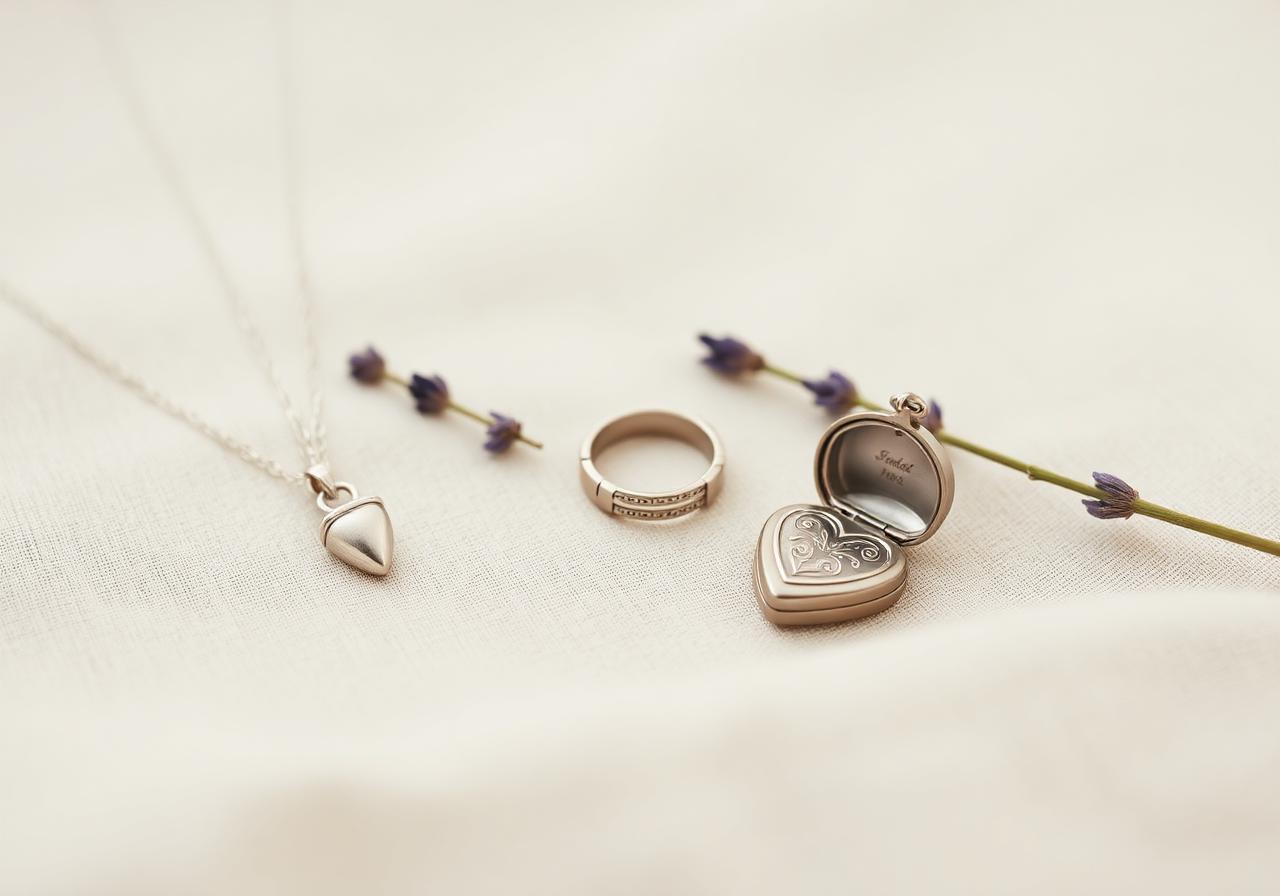
Cremation jewelry can hold or incorporate a small amount of ashes in a wearable keepsake.
Ad · Affiliate
Comparing wearable jewelry with a touchable, shareable alternative? Cremation stones may be worth considering before you decide. See How Parting Stone Works →
What This Guide Covers
- What is cremation jewelry for ashes?
- How cremation jewelry works
- Common types of cremation jewelry
- Best cremation jewelry by situation
- How much ash is needed?
- Cremation jewelry cost
- Pros and cons
- Cremation jewelry vs cremation stones
- Jewelry vs urns, scattering, and more
- Where to get jewelry made with ashes
- What to look for before buying
- What to avoid before buying
- Who cremation jewelry may be right for
- Who may prefer another option
- Cremation jewelry for men and women
- Cremation jewelry after direct cremation
- Questions to ask before choosing
- Final verdict
- FAQ
What Is Cremation Jewelry for Ashes?
Cremation jewelry — sometimes called jewelry for ashes, ashes jewelry, cremation ashes jewelry, or memorial jewelry for ashes — is wearable jewelry designed to carry a small portion of cremated remains.
Two general approaches:
- Compartment-based jewelry — a sealed interior space (often inside a pendant, charm bead, or ring) that holds a tiny amount of ashes. The most common form.
- Incorporated jewelry — providers blend a small amount of ashes into glass, resin, or custom art pieces during manufacturing.
It is different from a full cremation stone, a traditional urn, a keepsake urn, a memorial diamond, or scattering — though families often combine more than one approach. For the broader picture, see what to do with ashes after cremation.
How Cremation Jewelry Works
At a high level, the process usually looks like this:
- The family chooses a jewelry type, material, and provider.
- The provider explains how much ash is needed and how it should be sent or handled.
- For compartment pieces, ashes are placed into the sealed interior. For incorporated pieces, the provider blends ashes into glass, resin, or the design.
- The finished jewelry is shipped back, ready to be worn or kept.
If handling cremated remains feels uncomfortable, that is normal. Ask the funeral home for help, or choose a provider that fills the jewelry for you. We do not provide DIY filling instructions — always follow the provider's official guidance.
Common Types of Cremation Jewelry
A calm overview of the most common forms families consider. None is universally best — the right one fits the wearer's lifestyle and the family's wishes.
Urn necklaces for ashes
Best for
Wearing a tiny amount of ashes close to you
An urn necklace for ashes is a sealed pendant designed to hold a small portion of cremated remains. Common shapes include cylinders, hearts, teardrops, and small vials. Often the most familiar entry point for families new to cremation jewelry. Also searched as necklace for ashes and ashes necklace.
What to consider
Sealing method, chain quality, and whether it is suitable for daily wear.
Main drawback
Small compartments can fail if poorly sealed or roughly handled.
Cremation pendants
Best for
Simple, wearable remembrance
Pendants designed for daily wear in a wide range of shapes — heart, cross, cylinder, teardrop, circle, infinity, or minimalist bar. Typically hold a tiny portion of ashes inside a sealed compartment. Often available in stainless steel, sterling silver, and gold.
What to consider
Material (stainless steel, silver, gold), shape, and engraving options.
Main drawback
Designs and quality vary widely by provider.
Cremation rings
Best for
People who prefer a ring over a necklace
A cremation ring holds a small amount of ashes within the band itself or in a small inset compartment. Some are minimalist; others incorporate gemstones or engraving. Confirm sizing carefully — most providers cannot resize a ring once ashes are sealed inside.
What to consider
Exact ring size — most providers cannot resize after ashes are sealed.
Main drawback
Daily wear can wear down finishes; sizing mistakes are hard to fix.
Lockets for ashes
Best for
Combining a photo and a tiny keepsake
A locket can hold both a small photo and a tiny portion of ashes, hair, or a folded note. A discreet, sentimental option for families who want more than one element of remembrance in one piece.
What to consider
Hinge quality, photo size, and how the ash compartment is secured.
Main drawback
Lockets can pop open if the clasp is weak.
Cremation bracelets and charms
Best for
A bracelet or charm-style keepsake
Bracelets, bangles, and charm-style keepsakes hold ashes in small sealed beads or compartments. Charms can also be added to existing bracelets so the memorial blends naturally into jewelry someone already wears.
What to consider
Clasp strength, charm attachment, and whether it suits the wearer's daily activity.
Main drawback
Charms can detach if the clasp or jump ring is low quality.
Jewelry made from ashes
Best for
Custom glass, resin, or art-based memorials
Some providers incorporate a small amount of ashes directly into glass, resin, or custom art jewelry. Often searched as jewelry from ashes, ashes into jewelry, or jewelry made from cremation ashes. Confirm the process, materials, durability, and return policy before sending any remains.
What to consider
Process, lead time, sample work, and how unused ashes are returned.
Main drawback
Custom pieces are usually pricier and non-refundable once made.
Pet ashes jewelry
Best for
Pet memorials
Many cremation jewelry providers also offer pet versions — paw-print pendants, collar charms, and small urn necklaces. Pet-specific cremation stones are another option; see our pet cremation stones guide for that comparison.
What to consider
Whether you want a paw-print, collar charm, or small urn pendant.
Main drawback
Quality varies; some pet-specific shops are smaller operations.
Best Cremation Jewelry by Situation
A quick way to narrow the choice. Find the situation that sounds most like the wearer.
If…
Wants a necklace
ConsiderUrn necklace or cremation pendant
If…
Wants a subtle keepsake
ConsiderSmall pendant or locket
If…
Wants daily wearable remembrance
ConsiderDurable necklace, ring, or bracelet
If…
Wants photo + ashes together
ConsiderLocket or memory pendant
If…
Wants multiple family keepsakes
ConsiderSeveral small pieces or keepsake urns
If…
Wants something not wearable
ConsiderCremation stones, urn, memory box, or memorial garden
If…
Wants pet remembrance
ConsiderPet ashes jewelry or pet cremation stones
If…
Wants a lower-cost option
ConsiderSimple urn pendant or keepsake urn
If…
Wants a premium custom option
ConsiderCustom glass jewelry, memorial diamond, or cremation stones
How Much Ash Is Needed for Cremation Jewelry?
Most cremation jewelry uses only a very small portion of ashes — far less than fills an urn. The exact amount depends on the jewelry type, the size of the compartment, and the provider's process.
A few calm guidelines:
- Always confirm the amount needed directly with the provider before sending or handling any ashes.
- If you are unsure, ask the funeral home or crematory to help measure the small portion required.
- Keep the remaining ashes safely stored in their original container, clearly labeled.
- Do not guess. Providers will refuse remains they cannot work with, or may delay your order.
Because cremation jewelry uses such a small amount, families can often divide ashes among several relatives — each receiving a small piece — while still keeping most of the ashes in one place.
Cremation Jewelry Cost
Pricing varies widely. The biggest factors are:
- Material — stainless steel and silver are usually lower-cost than gold or platinum.
- Design and customization — custom shapes, engraving, gemstones, or birthstones add cost.
- How ashes are used — compartment pieces are typically more affordable than custom glass or art jewelry that incorporates ashes into the piece itself.
- Provider — specialized memorial brands, fine jewelers, and online shops price differently.
- Shipping, handling, and turnaround — rush options may cost more.
We do not publish exact prices because they change often. Always compare pricing, materials, reviews, shipping, and return policy with the provider before placing an order. For a broader cost view, see our cremation vs burial costs guide and the cremation vs burial calculator.
Pros and Cons of Cremation Jewelry
Pros
- Wearable and personal — keeps a loved one close daily.
- Uses only a tiny portion of ashes.
- Can be discreet — many designs do not look like memorial pieces.
- Several relatives can each have their own piece.
- Often more affordable than luxury memorials like diamonds.
- A wide range of styles, materials, and price points.
Cons
- Not everyone is comfortable wearing ashes.
- Uses only a small portion — most ashes still need a home.
- Quality and durability vary widely by provider.
- Small pieces can be lost or damaged.
- Some families prefer an urn, scattering, or cremation stones.
- Handling ashes can feel emotionally difficult.
Cremation Jewelry vs Cremation Stones
Cremation jewelry and cremation stones are both modern alternatives to a traditional urn, but they suit different needs:
- Cremation jewelry is wearable and uses a small portion of ashes. Best when one or more relatives want a personal, daily reminder.
- Cremation stones (also called solidified remains) transform a larger portion of ashes into smooth, touchable stone-like pieces. Best when a family wants a tactile, shareable alternative to loose ashes in an urn.
- Neither is universally better. The right choice depends on comfort, budget, family sharing, and the loved one's wishes — and many families combine both.
For a deeper look at cremation stones, see our cremation stones explainer, the turn ashes into stones guide, our Parting Stone review, the Parting Stone cost breakdown, and our Parting Stone alternatives comparison.
Ad · Affiliate
Cremation stones may be worth comparing if your family wants a touchable, shareable alternative to loose ashes in an urn. Parting Stone walks through their process and current pricing — there is no pressure to decide today.
See How Parting Stone WorksCremation Jewelry vs Urns, Keepsake Urns, Scattering and Memorial Diamonds
A side-by-side comparison of the most common memorial paths families weigh against jewelry.
| Option | Best for | Ashes used | Wearable? | Shareable? | Cost level | Main drawback |
|---|---|---|---|---|---|---|
| Cremation jewelry | Wearable, personal keepsake | Small portion | Yes | Yes (multiple pieces) | Low–premium | Small piece can be lost |
| Traditional urn | One central memorial | All remains | No | No | Low–moderate | Stays in one place |
| Keepsake urn | Sharing a small portion | Small portion | No | Yes | Low | Holds only a portion |
| Cremation stones | Touchable, shareable alternative | Larger portion | No | Yes | Premium | Higher upfront cost |
| Scattering ashes | Symbolic release | All or part | No | — | Low | Permanent; rules vary |
| Memorial diamond | Heirloom-style luxury | Small portion | Yes | Yes | Very high | Cost and long timeline |
| Memory box / photo memorial | Photos, letters, small items | Optional | No | Yes | Low | Less of a focal memorial |
Cost levels are relative ranges. Always confirm current pricing with the provider, cemetery, or funeral home.
Where to Get Jewelry Made With Cremation Ashes
Families generally compare four sources:
- Specialized memorial jewelry providers — brands focused entirely on cremation jewelry.
- Funeral home recommendations — many funeral homes can refer trusted providers.
- Online memorial shops — large catalogs with many price points and styles.
- Local jewelers offering memorial services — useful if you want to handle the piece in person before ordering.
We do not endorse a specific cremation jewelry brand. Before sending any remains, confirm: materials and finish, the exact process, customer reviews, shipping and tracking, how ashes are handled, how unused ashes are returned, customization options, return policy, and turnaround time. Families also comparing non-jewelry alternatives can explore cremation stones and our Parting Stone alternatives guide.
What to Look for Before Buying Cremation Jewelry
- Material — stainless steel, sterling silver, gold, glass, resin, or another option.
- How ashes are used — held inside vs incorporated into the design.
- Exact amount of ash needed.
- Whether the piece is waterproof or water-resistant.
- Durability for daily wear (sleep, shower, exercise).
- Engraving options and font choices.
- Chain quality and clasp type.
- Provider reviews and reputation.
- Shipping, tracking, and how ashes are handled in transit.
- Return policy and warranty.
- Whether unused ashes are returned.
- Whether multiple family members will need pieces.
- Whether the design matches the loved one's style.
What to Avoid Before Buying Cremation Jewelry
A few common mistakes worth side-stepping before you place an order.
- Do not buy before checking how the provider handles ashes — including how they ship, store, and return any unused remains.
- Do not assume all cremation jewelry is waterproof. Many pieces are only water-resistant, and seals can wear over time.
- Do not ignore material quality. Cheap finishes tarnish, and weak clasps or jump rings can fail with daily wear.
- Do not forget to ask what happens to unused ashes — most providers return them, but always confirm in writing.
- Do not buy a daily-wear piece without checking durability for showering, sleeping, exercising, or swimming.
- Do not choose cremation jewelry if wearing ashes feels uncomfortable. Cremation stones, urns, or scattering may fit better.
- Do not rush the decision if family members disagree. Take time to talk it through before dividing any ashes.
Who Cremation Jewelry May Be Right For
Who May Prefer Another Option
- People who do not enjoy wearing jewelry.
- People worried about losing or damaging small items.
- Families who want to use all the ashes in one memorial.
- Families who want a central place to visit, like a niche or grave.
- Families who prefer scattering, burial, urns, or cremation stones.
- People who are not ready to decide and want to keep ashes safely at home for now.
Cremation Jewelry for Men and Women
Style is personal — choose what fits the wearer rather than relying on labels. A few common starting points:
Cremation jewelry for women
Pendants, lockets, rings, bracelets, and charms — often in silver, gold, or rose gold. Heart, teardrop, infinity, and floral motifs are popular, but minimalist cylinders and bars are equally common.
Cremation jewelry for men
Simple pendants, cylinders, dog tags, signet-style rings, and minimalist bracelets — often in stainless steel, titanium, or matte-finish metals. Clean, understated designs are common.
Cremation Jewelry After Direct Cremation
Direct cremation often returns ashes to the family days or weeks later, with the memorial decision handled separately. That can be a relief — there is time to compare jewelry alongside other options without rushing.
For broader context, see our direct cremation guide, what to do with ashes after cremation, and the cremation vs burial calculator.
Questions to Ask Before Choosing Cremation Jewelry
- Would your loved one have liked this option?
- Are you comfortable wearing memorial jewelry?
- How many family members would actually want a keepsake?
- Do you want ashes inside the piece or incorporated into the design?
- What material is best for daily wear?
- How much ash does the provider need?
- What happens to unused ashes?
- Is the provider reputable and well-reviewed?
- Is the jewelry durable enough for the way it will be worn?
- What is the timeline from order to delivery?
- What is the return policy if something is wrong?
- Would cremation stones, an urn, or scattering fit your family better?
Final Verdict
Cremation jewelry for ashes can be a meaningful choice for families who want a small, wearable keepsake — and especially when several relatives want their own personal reminder rather than one central urn.
It is not the only good option. Cremation stones, traditional urns, keepsake urns, scattering, burial, memory boxes, and memorial gardens may suit some families better. Many families combine more than one option so multiple wishes are honored.
Ad · Affiliate
If your family wants a touchable, shareable alternative to jewelry or a traditional urn, cremation stones may be worth comparing before you decide. See How Parting Stone Works →
Editorial Note
WVFuneralBoard is an independent funeral planning resource and does not replace legal, religious, funeral, financial, or travel advice. Always confirm provider materials, pricing, ash amount needed, shipping, return policy, and timelines directly with the company before sending any remains.
Frequently Asked Questions
Related Guides
Overview
What to Do With Ashes After Cremation
Urns
Urns for Cremation Ashes
Keepsake
Small Urns for Ashes
Keepsake
Keepsake Urns for Ashes
Explainer
What Are Cremation Stones?
How It Works
Turn Ashes Into Stones
Review
Parting Stone Review
Decision
Is Parting Stone Worth It?
Cost
Parting Stone Cost
Compare
Parting Stone Alternatives
Compare
Parting Stone vs Cremation Jewelry
Pet Memorial
Pet Cremation Stones
Cremation
Direct Cremation Guide
Costs
Cremation vs Burial Costs
Tool
Cremation vs Burial Calculator
Memorial
Celebration of Life Ideas