Wondering whether Parting Stone is worth it for your family? This guide walks through the cost, the benefits, the drawbacks, and the family situations where solidified remains may — or may not — make sense, compared with urns, cremation jewelry, scattering, and other memorial options.
Quick Verdict
Is Parting Stone worth it?
- May be worth it for families who want a clean, touchable, shareable alternative to loose ashes in an urn.
- May be less ideal for families who prefer a traditional urn, lower-cost option, scattering, burial, cremation jewelry, or a faster decision.
- Biggest benefit: shareability and comfort handling the remains.
- Biggest drawback: cost and processing time.
- Always confirm current pricing and timeline directly with Parting Stone before ordering.
Ad · Affiliate link
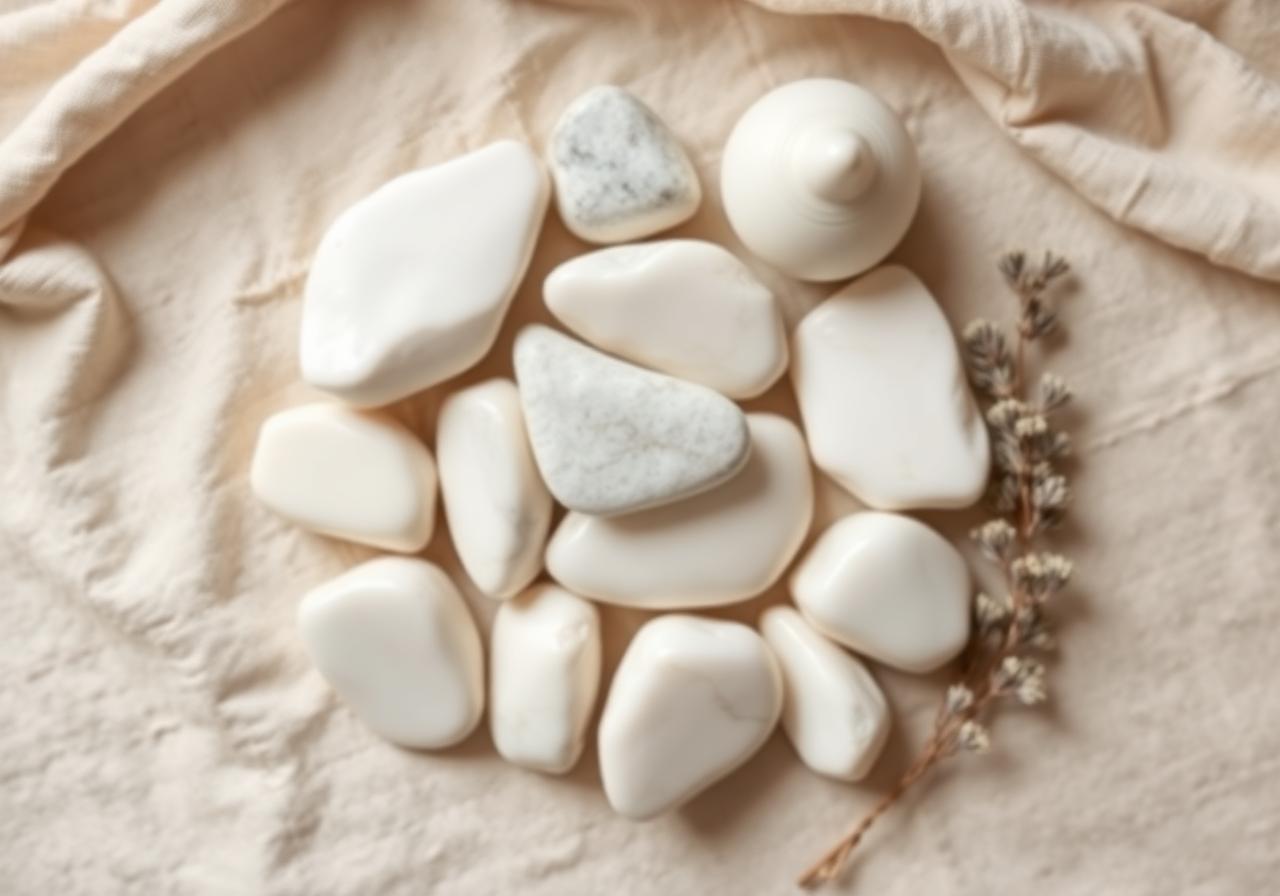
Solidified remains as an alternative to keeping ashes in a traditional urn.
What This Guide Covers
- Is Parting Stone worth it?
- What makes Parting Stone different
- When Parting Stone may be worth it
- When Parting Stone may not be worth it
- What are you really paying for?
- Parting Stone cost: is the price worth it?
- Parting Stone pros and cons
- Parting Stone vs urn
- Parting Stone vs keepsake urns
- Parting Stone vs cremation jewelry
- Parting Stone vs scattering ashes
- Parting Stone vs memorial diamond
- Worth it by situation (table)
- Questions to ask before deciding
- Is Parting Stone legit?
- Alternatives if you are unsure
- What if your family disagrees?
- Final verdict
- FAQ
Is Parting Stone Worth It?
Parting Stone can be worth it if your family wants cremated remains transformed into solidified stone-like pieces that can be kept, shared, displayed, or scattered. It tends to feel meaningful when several relatives each want a personal keepsake or when a family is uncomfortable handling loose ashes.
It may not be worth it if your main priority is the lowest possible cost, a traditional urn, immediate availability, wearable jewelry, burial, or scattering. None of these is wrong — they simply fit different families.
What Makes Parting Stone Different?
- Traditional urns keep cremated remains in a single container.
- Cremation jewelry usually uses a small portion of ashes inside a sealed compartment or design.
- Scattering ashes can feel meaningful but is final.
- Parting Stone transforms cremated remains into smooth, solidified stone-like pieces — see how ashes are turned into stones for the process.
- The result feels more touchable and shareable for some families and more unfamiliar for others.
No single format is universally better — the right one fits the family, the loved one's wishes, and how the remains will be kept or shared.
When Parting Stone May Be Worth It
If…
Several relatives want a personal keepsake
Solidified remains can be divided among family.
If…
Family is uncomfortable with loose ashes
Stones feel cleaner and easier to handle.
If…
Family wants a touchable memorial
Stones can be held and displayed, not only stored.
If…
Family does not want one central urn only
Stones can be shared across homes.
If…
Family wants an alternative to scattering
Stones keep something tangible to remember.
If…
Ashes have been at home and family wants another option
Existing remains can typically be sent in for processing.
If…
Family wants something portable and shareable
Stones travel and divide more easily than an urn.
If…
No specific instructions, family is comparing carefully
Worth comparing with urns, jewelry, and scattering.
When Parting Stone May Not Be Worth It
If…
Budget is the main concern
A basic urn or scattering is usually more affordable.
If…
Family prefers a traditional urn
An urn keeps the familiar form and feel.
If…
Loved one requested scattering or burial
Honor the stated wish first.
If…
Family wants cremation jewelry
Jewelry is wearable and uses a small portion.
If…
Cemetery or columbarium memorial planned
Confirm cemetery and urn requirements first.
If…
Family is not emotionally ready to decide
Ashes can stay safely in one container for now.
If…
Family members disagree
Pause and discuss before any final choice.
If…
Family wants the fastest possible option
Processing takes time — confirm the current timeline.
If…
Family is uncomfortable shipping remains
An at-home urn or local funeral home option may fit better.
What Are You Really Paying For?
It helps to look past the price tag and see what is actually included when a family chooses Parting Stone.
What you're paying for
- Transformation of cremated remains into smooth, solidified stones.
- A shareable physical memorial several relatives can keep.
- An alternative to keeping loose ashes in an urn.
- Multiple stones that can be held, displayed, or scattered.
- A modern, premium memorial process and packaging.
What you should weigh
- It usually costs more than a basic urn.
- Processing takes time — not the fastest option.
- Appearance, color, size, and number of stones can vary.
- It may not fit every family's budget, beliefs, or traditions.
- It involves shipping or transferring the cremated remains.
For a deeper look at what the service is and how it works, see our Parting Stone review and the turn ashes into stones walkthrough.
Parting Stone Cost: Is the Price Worth It?
Public materials have referenced pricing around $2,495 for human remains and around $1,195 for pet remains, but pricing changes — confirm current pricing directly with Parting Stone before ordering.
Whether the price is "worth it" depends on what your family wants:
- If the family values shareability, touchability, avoiding loose ashes, and multiple stones — Parting Stone may justify the premium.
- If the family wants the lowest-cost memorial, a basic urn or scattering will usually be more affordable.
- If the family wants a premium modern memorial several relatives can share, Parting Stone is worth comparing.
For a deeper breakdown, see our Parting Stone cost guide and the broader cremation stones cost overview.
Ad · Affiliate
Check current pricing and timeline directly
Pricing, lead times, and shipping policies can change. Reviewing the current details directly is the most reliable way to decide whether the cost feels worth it for your family.
Check Current Parting Stone DetailsParting Stone Pros and Cons
Pros
- Shareable among family members.
- Touchable alternative to loose ashes.
- Can feel less clinical than an urn for some families.
- Uses the remains differently than jewelry or small keepsakes.
- Portable and displayable in many home settings.
- Can be used after ashes have already been kept at home.
Cons
- Premium cost compared with a basic urn.
- Processing takes time — not the fastest option.
- Appearance, size, and number of stones can vary.
- Not ideal if the loved one wanted burial or scattering.
- Not ideal if family members disagree.
- Some people prefer traditional ashes, jewelry, or a cemetery memorial.
Parting Stone vs Urn
- Choose Parting Stone if the family wants shareable, touchable stones rather than loose ashes.
- Choose a full-size urn if the family wants one familiar central memorial.
- Choose keepsake urns if multiple relatives want small containers with a portion of ashes.
- Choose small urns if you mainly need a smaller-format urn.
For the wider picture, see our urns for cremation ashes guide.
Parting Stone vs Keepsake Urns
- Keepsake urns hold a small portion of loose cremated remains in a familiar container — best for families who want a traditional small memorial each relative can place on a shelf.
- Parting Stone transforms the remains into solidified stones — best for families who want a touchable, shareable keepsake without loose ashes.
- Cost: keepsake urns are usually less expensive per piece. Parting Stone is a single premium service that can be split among many relatives.
- What to consider: how comfortable each relative is handling ashes, whether matching pieces matter, and whether the family wants one process or many small purchases.
For a closer look, see our keepsake urns for ashes and small urns for ashes guides.
Parting Stone vs Cremation Jewelry
- Cremation jewelry is wearable and uses a small portion of ashes — best for one personal, daily keepsake.
- Parting Stone uses the remains differently and may be easier to share among multiple family members.
- Many families combine both — for example, one relative wears jewelry while others keep stones.
See our cremation jewelry for ashes guide for a closer comparison.
Parting Stone vs Scattering Ashes
- Scattering can feel meaningful and symbolic but is final — there is nothing to keep afterward.
- Parting Stone may be a better fit if the family wants something physical to keep, hold, or share.
- Some families do both — scatter a portion and solidify the rest.
- Always check local rules and permissions before scattering on public land or water.
For broader options, see what to do with ashes after cremation.
Parting Stone vs Memorial Diamond
- Memorial diamonds are typically a luxury memorial option — a single high-end keepsake, often jewelry-style.
- Parting Stone is usually more practical for families who want multiple physical keepsakes several relatives can share.
- Memorial diamonds may suit families who want one premium, jewelry-style memorial; Parting Stone may suit families who want a shareable set of stones.
- Cost, lead time, and the amount of ashes used differ — confirm details directly with each provider.
Is Parting Stone Worth It by Situation?
| Situation | Best fit? | Why | What to consider |
|---|---|---|---|
| Multiple family members want keepsakes | Strong fit | Stones can be divided among relatives. | Confirm how many stones a typical order returns. |
| Family wants the lowest-cost option | Weak fit | Premium pricing vs basic urn or scattering. | Compare with a simple urn or scattering. |
| Family prefers traditional urn | Weak fit | Stones are not a familiar urn format. | An urn or columbarium niche may fit better. |
| Family wants a wearable keepsake | Different fit | Stones are not worn. | Cremation jewelry may suit better. |
| Family wants symbolic release | Different fit | Stones keep something tangible. | Scattering may suit better. |
| Family wants cemetery memorial | Different fit | Stones do not replace a burial plot or marker. | Confirm cemetery rules first. |
| Family is uncomfortable with loose ashes | Strong fit | Stones feel cleaner to handle. | Confirm shipping and processing details. |
| Family is not ready to decide | Pause | No format is urgent. | Keep ashes safely stored while the family talks. |
| Family wants premium modern memorial | Strong fit | Solidified remains are a modern, premium option. | Confirm current pricing, timeline, and policies. |
Questions to Ask Before Deciding
- What did the loved one want?
- Does the family want to keep, divide, scatter, bury, or transform the ashes?
- How many family members want a personal keepsake?
- Is everyone comfortable with this choice?
- Is the cost acceptable for your family?
- Is the timeline acceptable — especially before any planned service?
- Is the family comfortable shipping or transferring the cremated remains?
- Do you prefer stones, an urn, jewelry, scattering, or burial?
- Are there religious, cultural, or family traditions to consider?
- Have you confirmed current pricing, timeline, and policies directly with Parting Stone?
Is Parting Stone Legit?
Parting Stone is a real, established provider known for solidified remains. As with any memorial purchase, families should still review current service details, pricing, timeline, return policies, and recent customer feedback directly before deciding. Our Parting Stone review covers more on the company and process, our Parting Stone complaints guide walks through the concerns to check before ordering, our Parting Stone Shark Tank update covers the episode and the publicly reported deal, our Parting Stone availability guide explains how to check whether the service is available, and our solidified remains explainer covers the format itself.
Parting Stone Alternatives if You Are Unsure
If Parting Stone does not feel like the right fit, common alternatives include:
- Traditional urn — one familiar central memorial.
- Keepsake urns — small urns for sharing among relatives.
- Small urns — smaller-format containers for a portion of ashes.
- Cremation jewelry — wearable keepsakes using a small portion of ashes.
- Scattering ashes — symbolic release; check local rules first.
- Cemetery burial — a dedicated plot or grave marker.
- Columbarium niche — an indoor or outdoor wall niche for an urn.
- Memorial diamond — a luxury jewelry-style alternative.
- Memory box — a dedicated container with photos, letters, and small keepsakes.
- Memorial garden — a quiet outdoor space for remembrance.
- Keep ashes safely at home for now — there is no rush to decide.
For a side-by-side comparison, see Parting Stone alternatives.
What If Your Family Disagrees?
- Pause if possible. Cremated remains can stay safely in their original temporary container while the family talks.
- Check the loved one's wishes — a will, advance plan, or remembered conversation may guide the decision.
- Consider dividing ashes so different relatives can choose different formats.
- Consider one main option plus keepsakes — a primary urn and smaller keepsakes for those who want them.
- Let different relatives choose different keepsake types — one may want stones, another jewelry, another a small urn.
- Ask a funeral director, clergy member, or trusted family elder for help if needed.
- Avoid rushing a choice that feels final.
Final Verdict
Parting Stone may be worth it for families who want a modern, touchable, shareable alternative to keeping ashes in a traditional urn — especially when several relatives each want a personal keepsake.
It may not be worth it for families focused on the lowest cost, a traditional urn, scattering, burial, jewelry, or immediate availability. The best choice depends on budget, family agreement, comfort with cremated remains, traditions, and the loved one's wishes.
Ad · Affiliate
If your family is comparing Parting Stone with urns, jewelry, scattering, or other memorial options, it may be worth reviewing the current process, pricing, and timeline directly before deciding. See How Parting Stone Works →
Editorial Note
WVFuneralBoard is an independent funeral planning resource and does not replace legal, religious, cemetery, funeral, financial, or travel advice. We have not independently tested Parting Stone. Always confirm current pricing, timeline, shipping, eligibility, and service details directly with the provider before deciding.
Frequently Asked Questions
Related Guides
Review
Parting Stone Review
Compare
Parting Stone vs Urn
Compare
Parting Stone vs Cremation Jewelry
Compare
Parting Stone vs Scattering Ashes
Compare
Parting Stone vs Memorial Diamond
Trust
Is Parting Stone Legit?
Cost
Parting Stone Cost
Compare
Parting Stone Alternatives
Explainer
What Are Cremation Stones?
How It Works
Turn Ashes Into Stones
Overview
What to Do With Ashes After Cremation
Jewelry
Cremation Jewelry for Ashes
Urns
Urns for Cremation Ashes
Small Urns
Small Urns for Ashes
Keepsake
Keepsake Urns for Ashes
Cremation
Direct Cremation Guide
Costs
Cremation vs Burial Costs