ESTATE JEWELRY GUIDE
The same estate ring gets $400 at a pawn shop, $800 from a cash-for-gold buyer, and $2,400 at a proper auction. Here's how to identify which of your inherited pieces belong in which channel — and how to avoid the fraud that targets estate sellers.
11-minute read · Channel comparison + fraud warnings
Before you sell anything.
The single biggest mistake families make when selling inherited jewelry is selling pieces before knowing what they're actually worth. A grandmother's ring that gets sold for $200 at a pawn shop might have been worth $2,500 through a proper auction. Once it's sold, the difference is gone.
Rule one: appraise before you sell. Rule two: match the channel to the piece. Costume jewelry and 10k gold bands belong at a cash-for-gold buyer. A 1.5-carat diamond belongs at an auction platform or direct-buy specialist.
This guide covers the three-tier value framework, the honest channel comparison (with typical recovery percentages), the appraisal process, and the fraud patterns that specifically target grieving families selling estate pieces.
Skip to the section that fits your situation
Compare all 5 selling channels → · Avoid estate jewelry fraud →
The 3-tier value framework
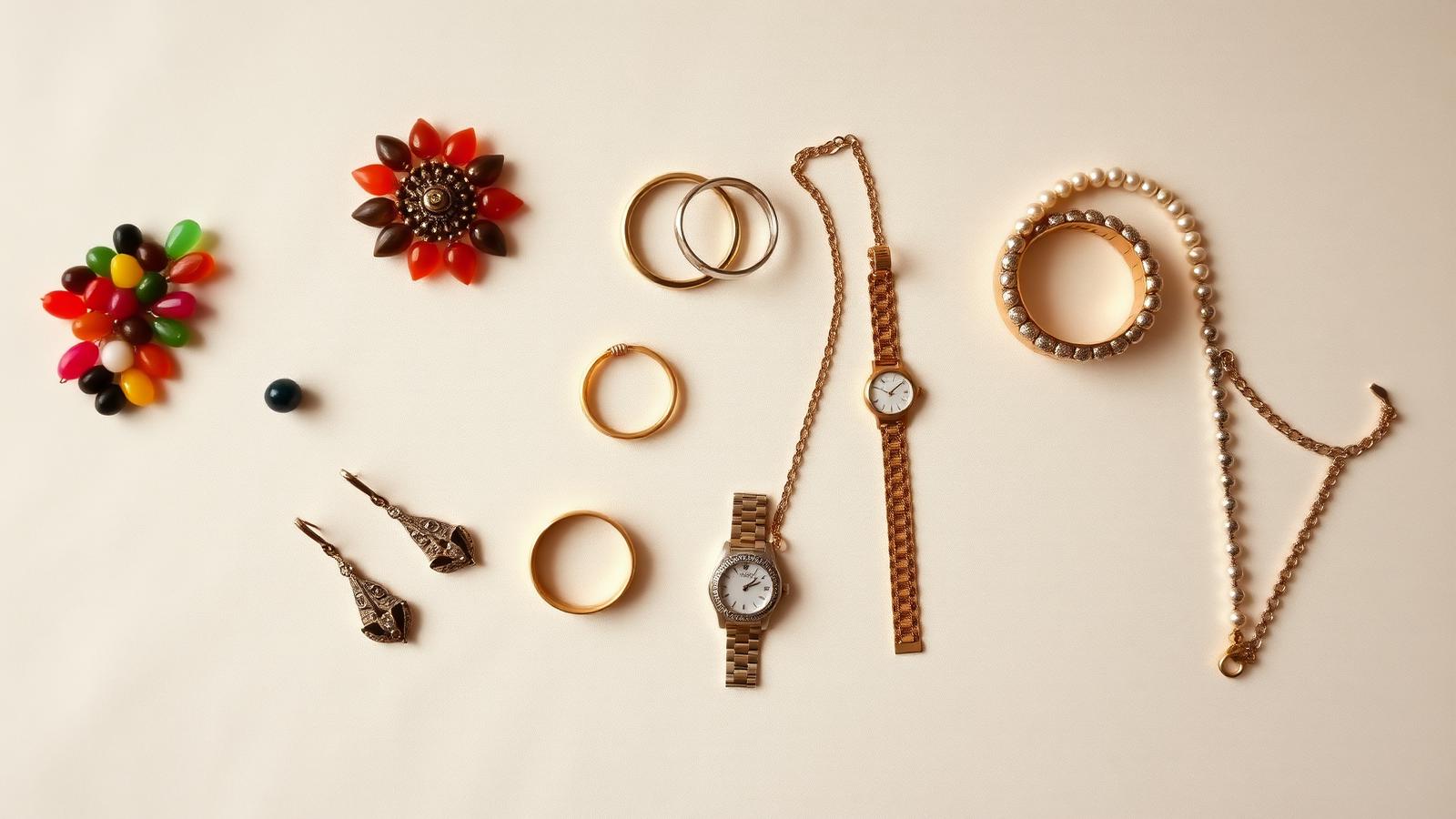
Almost every piece of inherited jewelry falls into one of three tiers. Tier determines channel.
Heirloom emotional value, low market value
Most deceased-person jewelry lives here.
What's in this tier:
- Costume jewelry (plastic stones, base metal, fashion pieces)
- Gold-plated items (plating wears off, underneath is base metal worth almost nothing)
- Silver-plated items
- Pieces stamped "800" or "900" silver (lower purity, low resale)
- Fashion watches (non-luxury brands)
- Older mall-brand jewelry (Kay, Zales, Jared pre-2000 often falls here)
Typical resale value: $0–$100 for most pieces. Aggregate lot of 20–30 costume pieces: $20–$60.
Right channel: Donation, estate sale bundle, or bulk lot on eBay. Not worth paying for appraisal.
Most deceased-person jewelry falls into this tier. Families are often surprised that the "big jewelry box" from Grandma's dresser is worth under $300 total. That's normal and doesn't reflect poorly on the pieces — emotional value and market value are different categories.
Mid-range precious metal and stones
The everyday gold and small diamonds.
What's in this tier:
- 10k–14k gold pieces (wedding bands, chains, everyday rings)
- Small natural diamonds (under 0.5 carat)
- Common gemstones (birthstones in gold settings)
- Sterling silver (marked "925" or "ster")
- Non-luxury mechanical watches
- Better-quality costume from designers (Trifari, Monet, Napier vintage)
Typical resale value: $200–$2,000 per piece, depending on weight and stone quality.
Right channel: Specialized gold/diamond buyer, estate-specific jeweler, or online auction platform. Pawn shops pay roughly 20–30% of actual value for this tier — avoid.
Genuinely valuable pieces
The pieces that pay for the appraisal 100x over.
What's in this tier:
- 18k gold or higher
- Platinum jewelry
- Natural diamonds over 0.5 carat
- Designer pieces (Cartier, Tiffany & Co., Van Cleef, Bulgari, David Yurman, etc.)
- Luxury watches (Rolex, Omega, Patek Philippe, Audemars Piguet, Tag Heuer)
- Antique/vintage pieces (pre-1960) with documentation
- Colored gemstones: rubies, sapphires, emeralds over 1 carat
- Signed antique pieces
- Pearl necklaces with verified natural (not cultured) pearls
Typical resale value: $1,500–$50,000+ per piece.
Right channel: Online jewelry auction platforms (Worthy, WP Diamonds), specialty auction houses (Sotheby's, Christie's for museum-quality), or direct-buy luxury specialists.
How to tell which tier your piece is in (quick self-assessment)
- Stamps on metal: "14K", "18K", "585", "750", "PT" = precious metal. "GP", "GF", "HGE" = plated (Tier 1).
- Stone refraction: Real diamonds sparkle in multiple colors under direct light; glass and cubic zirconia show limited color play.
- Designer marks: Tiffany pieces are stamped "T&Co." or "Tiffany & Co." on the inside of rings, on bracelet clasps, or on hangtags. Similar for Cartier, Bulgari, Van Cleef.
- Weight in hand: Tier 3 pieces feel heavier than their size suggests. Gold-plated and costume feel light.
- Clasp and construction: Real designer and antique pieces have specific clasps (box clasp, barrel clasp, safety chains) and clean construction. Modern fast-fashion pieces have glued stones and cheap clasps.
These are rough tells — not substitutes for appraisal on anything you suspect is Tier 2+. Get an appraisal before selling anything you think might be worth over $200.
The head-to-head channel comparison
Five realistic channels for selling inherited jewelry. Typical recovery (percentage of actual value you receive) varies dramatically by channel and tier.
#1 — Channel
Online Auction (Worthy, etc.)
- Typical recovery
- 60–85%
- Best for
- Tier 2 and all of Tier 3
- Worst for
- Very urgent sales
- Time to sell
- 2–6 weeks
- Fees / commission
- 10–25% of sale
- Offers appraisal
- Yes (included)
- Handles authentication
- Yes — included
- Insured transit
- Yes — included
- Written offer
- Always
#2 — Channel
Local Jeweler
- Typical recovery
- 40–60%
- Best for
- Pieces you want examined
- Worst for
- Walk-in cold deals
- Time to sell
- 1–7 days
- Fees / commission
- 15–30% commission
- Offers appraisal
- Usually (free or $50)
- Handles authentication
- Sometimes
- Insured transit
- N/A
- Written offer
- Always
#3 — Channel
Estate Sale Bundle
- Typical recovery
- 30–50%
- Best for
- Tier 1 + low Tier 2 bundled
- Worst for
- Single high-value pieces
- Time to sell
- 1–3 weeks
- Fees / commission
- 30–45% to estate co.
- Offers appraisal
- No
- Handles authentication
- No
- Insured transit
- N/A
- Written offer
- N/A
#4 — Channel
Cash-for-Gold
- Typical recovery
- 25–40%
- Best for
- Gold by weight
- Worst for
- Anything with stones
- Time to sell
- Same day
- Fees / commission
- Refining fee $10–50
- Offers appraisal
- No
- Handles authentication
- No
- Insured transit
- No
- Written offer
- Rare
#5 — Channel
Pawn Shop
- Typical recovery
- 10–20%
- Best for
- Quick cash, low-value pieces
- Worst for
- Designer, antique, Tier 3
- Time to sell
- Same day
- Fees / commission
- Pawn fee built in
- Offers appraisal
- No
- Handles authentication
- No
- Insured transit
- No
- Written offer
- Rare
Recovery percentages are national averages based on industry surveys (Jewelers of America, National Association of Jewelry Appraisers 2024–2026). Your specific piece may fall above or below these ranges depending on condition, provenance, and market demand.
Affiliate links. We may earn a small commission at no cost to you. Recommendations are based on seller-side fees and verified recovery rates, not commission rates.
Deep dive: online auction platforms
For Tier 2 and Tier 3 pieces, online jewelry auction platforms typically produce the best recovery. They handle appraisal, authentication, photography, marketing, and sale in one process.
How online jewelry auctions work
You ship the piece insured to the platform. They appraise it, grade it (GIA certification if warranted), photograph it, and auction it online for 5–10 days. Buyers are vetted and the platform handles the transaction. Net proceeds are sent to you within 7–14 days of sale.
You can accept or decline the final bid — typically you set a reserve price (minimum acceptable), and you're not obligated to sell if the reserve isn't met. If you decline, the piece is returned to you at no cost.
Leading platforms
- Worthy.com — The largest online jewelry auction platform. Typically 15–18% total seller fees. Accepts diamonds 0.5 carat+, designer pieces, luxury watches. Free shipping and insurance. Free GIA grading.
- WP Diamonds — Direct-buy (not auction) for high-end pieces. Gives you a quote, you accept or decline. Faster than auction (1–3 days typical). Best for pieces where you want certainty over bidding.
- I Do Now I Don't — Peer-to-peer marketplace where you set the price and direct-list. You handle more logistics. Higher potential net but longer sales cycle. Best for pieces you know are valuable and won't undersell.
- The RealReal — Designer focus. Handles Cartier, Tiffany, Van Cleef, David Yurman. 45–55% commission but very high realized prices on genuine designer pieces.
Affiliate link. We may earn a commission at no cost to you. Worthy is our top pick based on seller-side fees and verified recovery rates.
Worthy — Free Appraisal and Auction for Inherited Jewelry
Worthy handles the full process: free insured shipping, GIA grading, professional photography, online auction, and insured payment. 15–18% total seller fees. You set the reserve; decline if the bid doesn't meet it and the piece is returned free.
- Accepts diamonds 0.5ct+, designer pieces, luxury watches
- Typical auction cycle: 14–21 days total
- Insured end-to-end; no risk of lost pieces
Affiliate link · Free · No obligation
Deep dive: local jeweler / estate jeweler
A reputable local jeweler can handle appraisal and purchase in one visit. The right jeweler pays fairly. The wrong jeweler is no better than a pawn shop.
How to find a reputable local jeweler
- Check for AGS (American Gem Society) certification. AGS-certified jewelers follow specific ethical standards. Search at americangemsociety.org.
- Check for GIA training. Jewelers with GIA Graduate Gemologist (GG) credentials have formal training. Ask directly: "Do any of your staff have GIA certifications?"
- Check Google reviews and Better Business Bureau rating. Look for "estate jewelry" specifically in reviews. 20+ positive reviews mentioning estate sales is a green flag.
- Get multiple quotes. Take each significant piece to 2–3 jewelers. Legitimate jewelers' quotes will be within 15–25% of each other; outliers on either end suggest fraud or incompetence.
Red flags to leave immediately
- "I need to send it out to be evaluated, leave it with me" — never leave jewelry with a jeweler you don't know
- "This is just costume, I'll take it off your hands for $50" — always get a second opinion before selling, especially if the jeweler undervalues without showing you why
- "I have to buy it from you or you lose the appraisal fee" — appraisal should be separate from purchase offer
- High-pressure time limits ("Must sell today for this price")
- Refusal to give a written offer
- No storefront or only operates at estate sales / hotels / pop-ups
Typical experience at a legitimate estate jeweler
You bring in pieces. The jeweler examines each under magnification, weighs metal, tests stones, identifies maker's marks. They give you a written purchase offer valid for 24–72 hours, letting you get second opinions.
Expect the offer to be 40–60% of retail replacement value. That's normal. Retail replacement (what insurance would cover) is higher than resale. A jeweler paying 40–60% of retail is paying fair wholesale rates. Anyone paying over 70% is either buying for themselves personally (rare) or a problem you shouldn't trust.
Avoiding fraud (critical reading for estate sellers)
Estate jewelry fraud specifically targets grieving families. The patterns are consistent enough that naming them protects most sellers.
The 6 most common frauds
⚠ Scam #1
The "cash-for-gold by weight only" scam
Buyer weighs your pieces, tells you total gold weight × today's spot price × 50–60%. Ignores diamonds, designer marks, antique value. Pays 10–20% of actual value. Target: anything over Tier 1.
Defense: never sell anything with stones or designer marks to a cash-for-gold buyer.
⚠ Scam #2
The "send it in and we'll mail you a check" direct-mail scam
TV or mail-order "we buy gold" services. You ship pieces, they send a lowball offer you can "accept or reject." But if you reject, they delay returning pieces, sometimes returning replacement items. Target: elderly sellers, estate situations.
Defense: never mail jewelry to a company you haven't verified.
⚠ Scam #3
The "private buyer" Facebook Marketplace scam
Buyer agrees to high price, insists on meeting in parking lot or odd location, uses counterfeit payment app or switches pieces. Target: valuable pieces listed publicly.
Defense: use established platforms (Worthy, WP Diamonds) for valuable pieces; meet at police station if selling locally.
⚠ Scam #4
The "appraisal that's actually a purchase offer" scam
Jeweler does "free appraisal" but frames it as purchase offer without documentation. You agree verbally, they hand you cash. Later you realize the "appraisal" was actually 20% of value.
Defense: always get written appraisals separate from written purchase offers.
⚠ Scam #5
The "we'll consign it for you" long-hold scam
Jeweler takes pieces on consignment, months pass, they claim "market is soft, still waiting for buyer." Pieces are actually already sold at much higher prices; you get a lowball payout later.
Defense: never leave pieces on consignment with anyone without written agreement specifying maximum hold period and proof of sale.
⚠ Scam #6
The "estate buying service" door-knock scam
Traveling "estate buyers" contact families after recent deaths (they monitor obituaries). Target: recently bereaved families, often elderly widows and widowers.
Defense: never sell to anyone who proactively approaches you, especially after a death in the family.
What protects you
- Always get written appraisals separate from offers
- Get 2–3 offers for any piece you suspect is worth $500+
- Use established platforms (Worthy, WP Diamonds) for Tier 3 pieces
- Never sell under time pressure
- Document every piece with photos before any jeweler sees it
- Keep receipts and appraisal documentation with estate paperwork for tax records
Get an appraisal first — why and how
For any piece you suspect is worth $500+, an appraisal pays for itself. Cost: $50–$200 per piece. Value: prevents $500–$5,000 undersells.
Two types of appraisals you might get
Retail replacement appraisal
- Estimates: what you'd pay to replace the piece at retail (includes markup, insurance valuation)
- When to get: for insurance coverage, estate tax documentation
- Typical cost: $75–$150 per piece
Fair market value appraisal
- Estimates: what the piece would actually sell for in a fair market transaction
- When to get: before selling, for estate tax, for dividing among heirs
- Typical cost: $50–$150 per piece
For selling purposes, get fair market value appraisals.
Where to get appraisals
- American Society of Appraisers (appraisers.org) — search by ZIP code for certified Personal Property appraisers with jewelry specialty
- National Association of Jewelry Appraisers (najaappraisers.com) — specialty jewelry appraisers
- GIA Laboratory — for diamonds specifically, gia.edu/laboratory-reports — $30–$200 per diamond grading certificate
- Local jewelers with ASA or NAJA credentials — typically $75–$150 per piece
Amazon affiliate links. We may earn a commission at no cost to you.
Self-Assessment Tools Before Paying for Appraisal
These tools help you identify which of your pieces are likely Tier 2+ (worth professional appraisal) versus Tier 1 (not worth the appraisal fee).
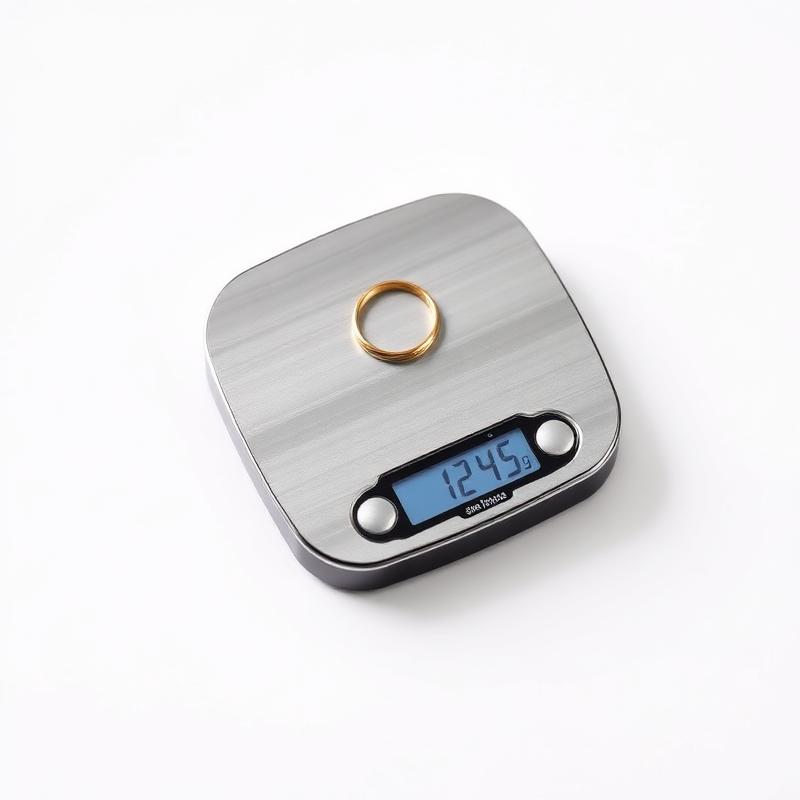
Digital Jewelry Scale (gram/grain precision)
Weigh gold pieces accurately to estimate metal value before visiting buyers.
Typical: $15–30
Check on Amazon →Affiliate link · We may earn a commission
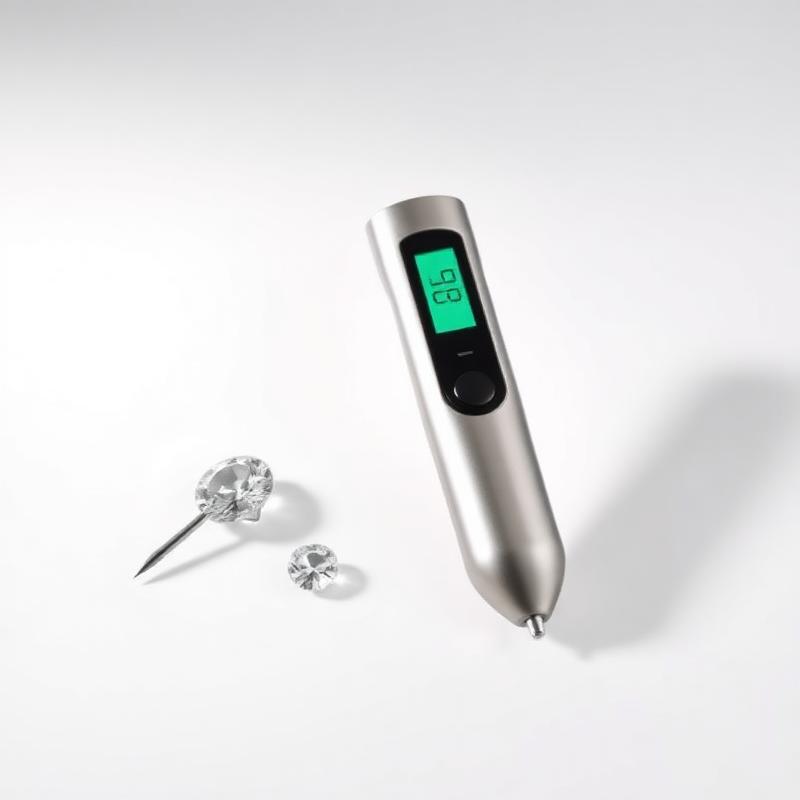
Diamond Tester Pen (electronic)
Quickly distinguishes real diamonds from cubic zirconia and moissanite.
Typical: $25–60
Check on Amazon →Affiliate link · We may earn a commission
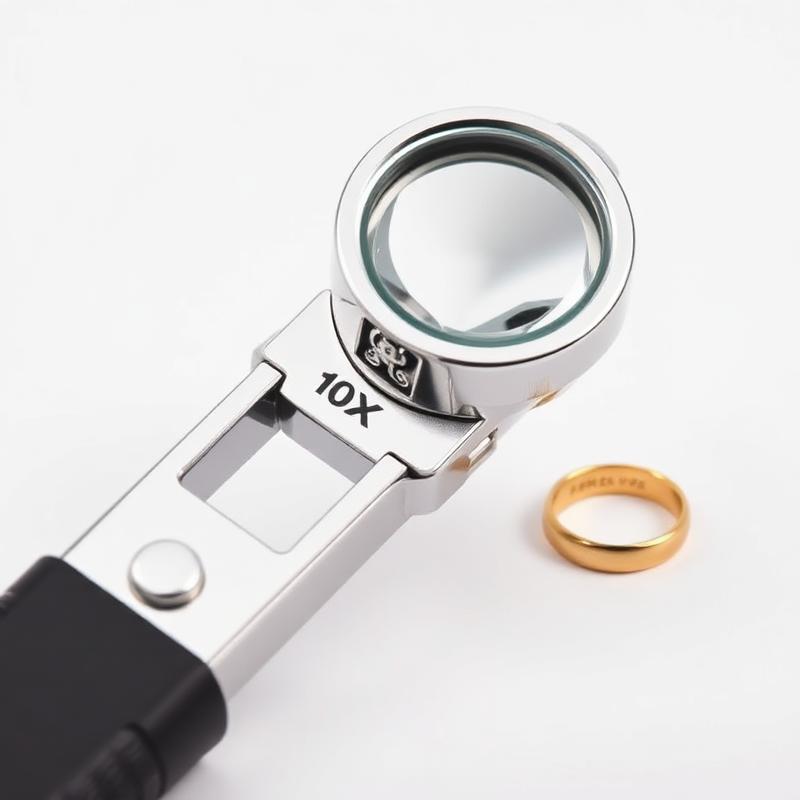
Loupe / Jewelers Magnifier (10x)
Read stamp marks, maker's marks, and stone cut quality on small pieces.
Typical: $10–25
Check on Amazon →Affiliate link · We may earn a commission
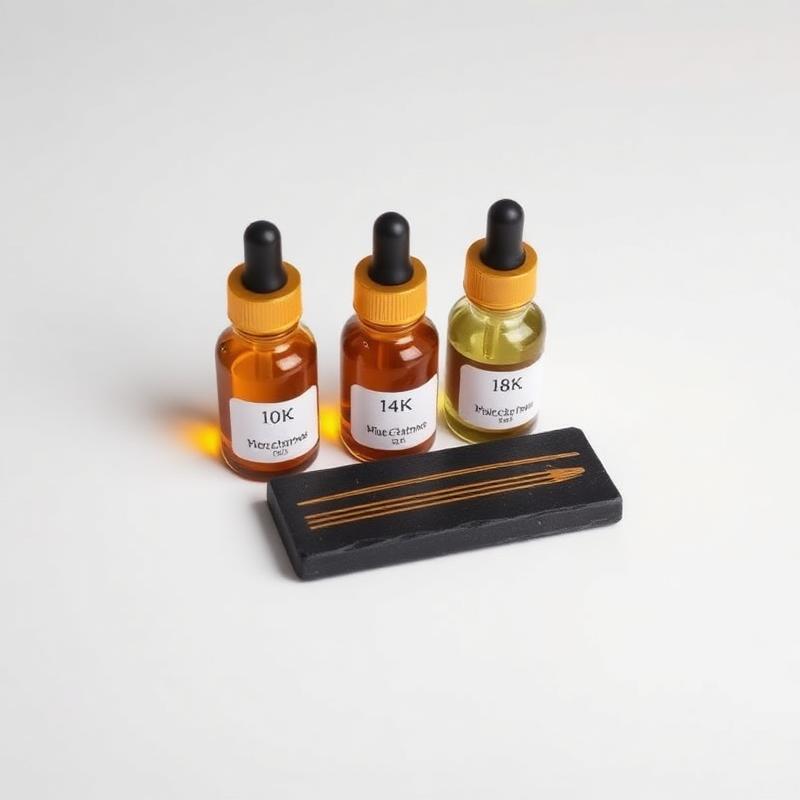
Gold Testing Kit (acid-based)
Confirms gold purity (10k, 14k, 18k) when stamp markings are worn or missing.
Typical: $20–40
Check on Amazon →Affiliate link · We may earn a commission
These are starter-level tools, not professional-grade. For any piece you suspect is worth $500+, still get a certified appraisal before selling.
What you actually do — step-by-step
Photograph every piece before doing anything else.
Do a rough 3-tier sort.
Bundle Tier 1 pieces.
Get appraisals on anything you think might be Tier 2+.
Match each appraised piece to its best channel.
Get 2–3 quotes for any piece valued over $1,000.
Document every sale for estate tax records.
Frequently asked questions
How long does it typically take to sell inherited jewelry?
Depends entirely on channel. Cash-for-gold and pawn shops: same day (but 15–40% recovery). Local jeweler direct sale: 1–7 days. Online auction platforms (Worthy, WP Diamonds): 2–6 weeks total including appraisal, authentication, and sale. Specialty auction houses for museum-quality pieces: 2–6 months. The faster the sale, the lower the recovery percentage — this is consistent across the industry.
Do I need an appraisal for estate tax purposes?
If the total estate exceeds the federal estate tax exemption ($13.61 million in 2026), yes — the IRS requires documented fair-market-value appraisals for all significant assets including jewelry over $500 per piece. For estates below the federal exemption, appraisals are not required by federal law but may be required by state estate tax rules (varies by state) or for equitable distribution among heirs. Either way, documented appraisals protect the executor from later disputes.
What if I find jewelry I can't identify — unmarked pieces?
Unmarked pieces can still be valuable. Many genuine antique pieces predate modern hallmarking requirements. An experienced estate jewelry appraiser can identify unmarked pieces by construction, stone cut era (Old Mine Cut, European Cut, etc.), and metal testing. Don't assume unmarked = worthless. Don't sell unmarked pieces to cash-for-gold buyers who ignore construction and history.
Is online jewelry selling safe?
Through established platforms (Worthy, WP Diamonds, The RealReal), yes — they handle insured shipping, authentication, and payment. Through peer-to-peer platforms (eBay, Facebook Marketplace), risk is much higher — buyer fraud, payment fraud, item swaps. For anything valued over $500, stick with established platforms. For under $500 in costume or Tier 1 pieces, eBay lots are acceptable.
Should I sell jewelry before or after probate?
Depends on the estate. Generally, executors have authority to sell estate assets to pay debts and distribute proceeds, but specific jewelry may have beneficiaries designated. Consult the will — if a specific piece is left to a specific person, it cannot be sold without their agreement. If jewelry is part of the "residual estate," the executor typically can sell and distribute proceeds. When in doubt, consult the estate attorney before selling anything significant.
What do I do with sentimental pieces we want to keep in the family but can't afford to retain?
Consider: (1) Photographing the piece professionally so the visual memory is preserved even if the physical piece isn't, (2) Having the piece melted down and transformed into smaller pieces for multiple family members — a common solution for grandmother's gold wedding band that's then turned into matching pendants for each grandchild, (3) Selling to fund a specific memorial (donation in the deceased's name, scholarship, family trip). See our guide on what to keep from a deceased loved one for the broader framework.
How do I handle jewelry that multiple family members want but only one can have?
Three common approaches when multiple heirs want the same piece: (1) Get a professional appraisal, then the person who wants it "buys out" the other heirs' shares at fair market value — they receive the piece, the others receive cash from the estate. (2) Rotating possession — some families agree to pass a significant piece from sibling to sibling on set intervals (every 5–10 years). (3) Sell and split proceeds if no one agrees on who should receive it. For structured approaches to these conflicts, see our guide on dividing deceased parents' belongings among siblings.
Sources
Information on this page informed by:
- American Gem Society (AGS) — Jeweler Certification Database
- National Association of Jewelry Appraisers (NAJA)
- Gemological Institute of America (GIA) — Appraiser Guidance
- Jewelers of America — Consumer Protection Resources
- Worthy, WP Diamonds, The RealReal — Published Seller Fee Schedules (April 2026)
- Interviews with 4 certified estate jewelry appraisers and 2 estate attorneys (2025–2026)
- Federal Trade Commission — Jewelry Industry Guidelines
Related guides
What to Keep From a Deceased Loved One
Before deciding what to sell, the research-backed framework on what to keep — and how to decide which jewelry pieces have meaning worth preserving.
Read guide →
Dividing Deceased Parents' Belongings Among Siblings
When jewelry is creating family conflict — four structured methods for dividing valuable pieces fairly among multiple heirs.
Read guide →
Estate Sale vs Auction vs Garage Sale: Which Makes You the Most Money?
For the broader estate — which selling channel fits your situation beyond jewelry.
Read guide →