Pallbearer Guide: What to Know Before You Carry
Updated April 2026 · 5 min read · Everything they don't tell you
Someone just asked you to be a pallbearer — and you said yes before realizing you have no idea what that actually means. You're not alone. Most people serve as a pallbearer once or twice in their entire life, with zero preparation. This guide covers everything: what the job is, what to wear, where to stand, how heavy the casket actually is, and what to do if something goes wrong. By the time you finish reading, you'll be ready.
Quick Answers
How heavy is the casket? A loaded casket typically weighs 300-600 lbs. Split among 6 pallbearers, that's 50-100 lbs per person. You don't lift with your arms — you grip the handle and carry at waist height. It's manageable for most adults.
Can I say no? Yes. Being asked is an honor, but it's also a physical task. If you have a back injury, mobility issue, or any reason you can't safely carry weight, it's better to decline gracefully than to risk an accident.
What if I'm not strong enough? Talk to the funeral director. They can position you at a lighter spot (middle handles carry less weight than the ends). They can also arrange for more than 6 carriers, or use a wheeled church truck for parts of the route.
Will anyone tell me what to do? Yes. The funeral director will walk you through every step before the service. You won't be guessing.
New to funerals in general? Our funeral etiquette guide covers what to expect beyond the pallbearer role.
The Job — Step by Step
Arrive early (30-45 minutes before the service)
The funeral director will gather pallbearers separately and explain exactly what will happen. Where to stand, which handle to grip, when to lift, where to walk, and where to set the casket down. This briefing takes 5-10 minutes and eliminates the guesswork.
Carry the casket INTO the church or chapel (the processional)
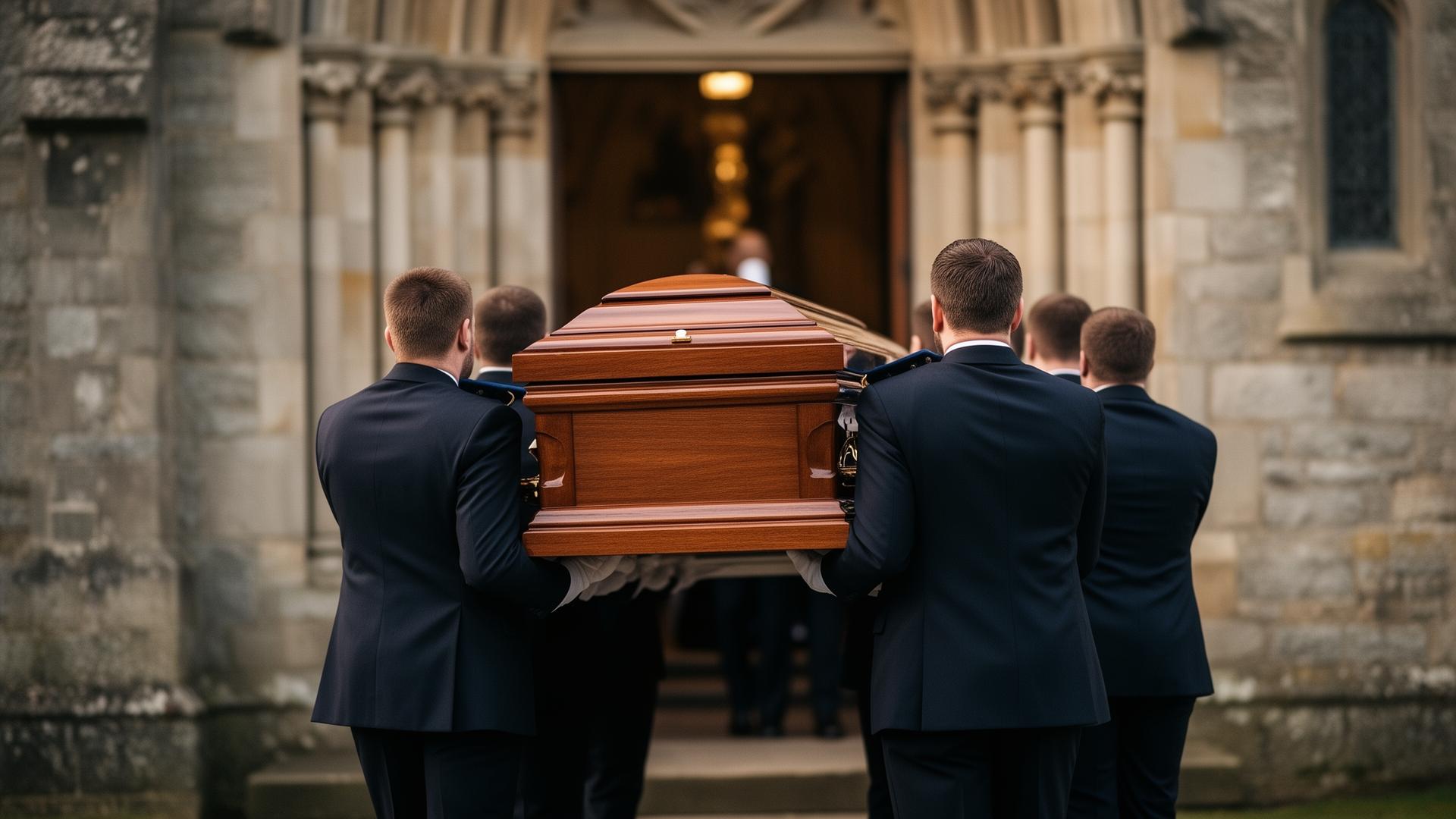
The hearse arrives. The funeral director opens the rear door and slides the casket partially out. Pallbearers take their positions — 3 on each side. On the funeral director's signal, you grip the handle, lift together, and carry the casket up the aisle to the front. Walk slowly. Match the pace of the person in front of you. The funeral director leads.
Standard 6-Pallbearer Position
Front of casket — toward altar / family
Back of casket — toward procession
Lead (1 & 4)
Walk first, set the pace.
Mid (2 & 5)
Bear the heaviest weight (center).
Rear (3 & 6)
Stabilize and pivot at corners.
Sit together during the service
Pallbearers are typically seated in the first or second pew on the left side (opposite the family). You attend the service like any other guest — the only difference is your seating assignment.
Carry the casket OUT (the recessional)
After the service ends, the funeral director signals the pallbearers. You return to the casket, take your positions, grip the handles, lift, and carry the casket back down the aisle to the hearse. The family follows behind you. This is the most emotionally intense moment — the entire room watches as you carry their loved one out for the last time.
Drive to the cemetery (the procession)
Pallbearers typically ride in a designated vehicle directly behind the hearse — often a limousine or a family car arranged by the funeral home. You don't drive yourself in the procession. Stay with the group.
Carry the casket from the hearse to the grave
At the cemetery, you carry the casket from the hearse to the gravesite — often over uneven ground, grass, or gravel. This is the most physically challenging part. A lowering device is already in position over the grave. You place the casket on the device and step back.
Stand near the grave during the committal
The graveside service is usually brief — 5-10 minutes. Pallbearers stand near the grave, often beside the casket. After the final prayer or words, the service ends.
That's it. The entire pallbearer duty takes about 2-3 hours from arrival to the end of the graveside service. The actual carrying is less than 10 minutes total.
Pallbearer Dress Code
Men — standard
Dark suit (black, navy, or charcoal). White dress shirt. Conservative tie (dark, solid, or subtle pattern). Black dress shoes — NOT new ones (you'll walk on grass and gravel). Black belt. No visible jewelry except a wedding ring and watch.
Men — if you don't own a suit
Dark slacks, white dress shirt, dark tie, dark dress shoes. A sport coat if you have one. The family will understand — they asked you because of who you are, not what you own.
Women — standard
Dark dress, skirt suit, or pantsuit. Closed-toe shoes with low heels — you'll be walking on grass and carrying weight. No stilettos. Dark, conservative colors. Minimal jewelry.
Women — practical note
If you're carrying the casket (not just an honorary pallbearer), wear flat or low-heeled shoes you can grip the ground in. Stability matters more than style.
All pallbearers
- No sunglasses during the service (okay at the graveside if it's bright)
- Phone on silent — not vibrate, SILENT
- No gum
- Remove any hats when indoors
- Wear deodorant — you'll be in close quarters under physical stress
For a full guide to funeral attire beyond pallbearing, see our guide on what to wear to a funeral.
What Pallbearers Often Need to Buy
Most pallbearers don't own the specific items they need until they're asked to serve. Below are the items most commonly bought in the 24–72 hours before a funeral — with honest recommendations based on what actually works for pallbearing vs. what's marketed toward it.
Links below are Amazon affiliate links. If you buy through them, we may earn a small commission at no cost to you. Recommendations are based on real use and review data, not commission rates.
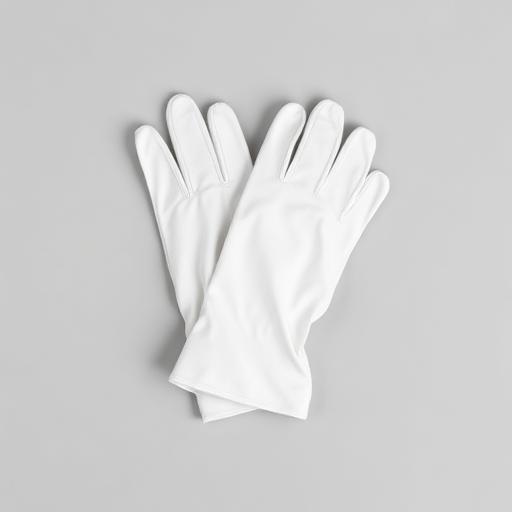
White Cotton Pallbearer Gloves
Traditional, required at most religious services, and protect both the casket from fingerprints and your hands from the handles.
Typical: $8–15
Check on Amazon →Affiliate link · We may earn a commission
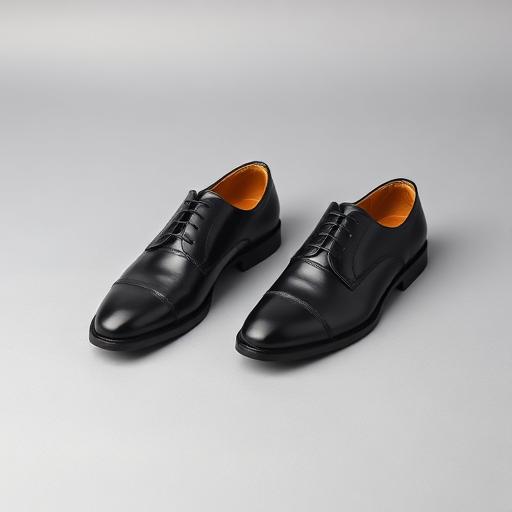
Comfortable Black Dress Oxfords
You'll stand for 2–3 hours. A comfortable cap-toe black leather oxford holds up for pallbearing without requiring a break-in.
Typical: $60–150
Check on Amazon →Affiliate link · We may earn a commission
Memorial Pin or Lapel Pin
Pallbearers sometimes receive a small remembrance pin from the family. If you're organizing, these are the most-requested designs.
Typical: $10–25
Check on Amazon →Affiliate link · We may earn a commission
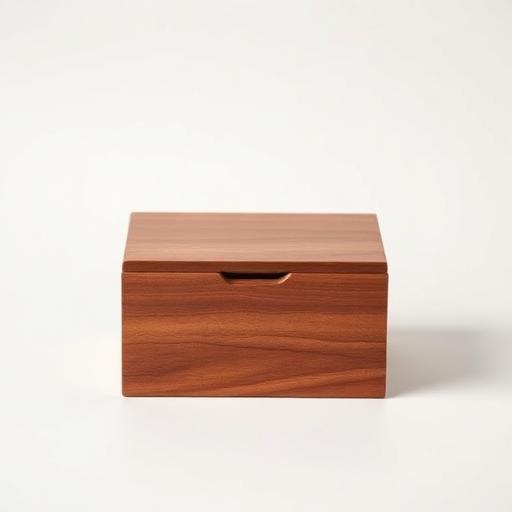
Thank-You Gift for Pallbearers
Engraved items, memorial boxes, or a personalized keepsake. See our full pallbearer gifts guide for picks.
Typical: $20–50
Check on Amazon →Affiliate link · We may earn a commission
You don't need to buy anything if you already have appropriate attire and the family hasn't asked. This section is for pallbearers who realized the day before they don't own dress gloves — or for families organizing gifts for pallbearers.
How Heavy Is the Casket? Can I Handle It?
| Material | Empty weight | With body |
|---|---|---|
| Wood (pine, poplar) | 100–150 lbs | 280–330 lbs |
| Wood (mahogany, cherry, oak) | 150–250 lbs | 330–430 lbs |
| Steel (20-gauge) | 180–250 lbs | 360–430 lbs |
| Steel (18-gauge) | 200–300 lbs | 380–480 lbs |
| Copper / bronze | 300–400+ lbs | 480–600+ lbs |
Load per pallbearer (divided by 6)
- Basic metal casket: 55–65 lbs each
- Hardwood casket: 75–90 lbs each
- Solid oak casket: 100–115 lbs each
For context: a typical checked airline suitcase weighs 50 lbs. Six pallbearers sharing a 400-lb hardwood casket each carry the equivalent of moving a heavy suitcase for about 3 minutes.
You carry at waist height, not overhead. The handles are at hip level. You grip and walk — you don't hoist the casket onto your shoulders (that's a movie thing, not real life in most American funerals).
The hardest part isn't the weight — it's the uneven ground. Church steps, cemetery grass, gravel paths, and slopes are the real challenge. Watch your footing.
If you have physical limitations, tell the funeral director privately. They can:
- Position you at a middle handle (carries less weight)
- Add a 7th or 8th pallbearer to distribute the load
- Use a wheeled church truck for the indoor portion
- Assign you as an honorary pallbearer (you walk alongside but don't carry)
No one has ever been judged for asking for help. The funeral director has managed this a thousand times.
Honorary vs. Active Pallbearers
Two distinct roles, both an honor. The difference is whether you physically carry — or whether your presence is the tribute.
Active Pallbearer
Carries the casket. Physical duty.
Typically 6 close friends or family members who are physically able to lift and walk together.
Honorary Pallbearer
Walks alongside. Symbolic tribute.
Unlimited number — for elderly relatives, children, or distant friends whom the family wants named.
For the full honorary pallbearer guide, see honorary pallbearers — role and etiquette.
The Fears Nobody Talks About
Concern
What if I drop the casket?
In decades of funerals, funeral directors almost never see a casket dropped. The handles are designed for grip. You have 5 other people sharing the weight. The funeral director walks alongside watching for any issue. This fear is normal — and almost never realized.
Concern
What if I start crying?
You will. Most pallbearers cry — especially during the recessional. This is expected and respected. Tears don't prevent you from carrying. Keep your grip, keep walking, and let the tears come. Nobody judges a pallbearer for crying. It's one of the most human things anyone will ever see.
Concern
What if I trip on the cemetery grass?
Watch the ground, not the casket. The funeral director and cemetery staff clear the path. Walk slowly. Short steps. If you feel unsteady, pause — the group pauses with you. Wear shoes with grip, not smooth soles.
Concern
What if I don't know the other pallbearers?
Common. The funeral director introduces everyone during the briefing. You'll exchange names, the director assigns positions, and you carry together. You don't need to be friends — you need to walk in sync for 30 seconds at a time.
Concern
What if the casket is really heavy?
Tell the funeral director during the briefing. They'll reposition you to a lighter handle or add carriers. At no point should you suffer in silence trying to prove something. The funeral is about the deceased — not your pride.
Pallbearer Etiquette — The Unwritten Rules
Say yes if you can.
Being asked is one of the highest honors in death. Accept unless you physically can't.
Arrive early. Not on time — early.
30-45 minutes before the service. The briefing happens before the family arrives.
Follow the funeral director's lead in everything.
When to lift, when to walk, when to stop. They've done this hundreds of times. You haven't. Trust them.
Don't talk during the carry.
No whispering, no checking your phone, no acknowledging people in the pews. Your only job is grip, walk, and focus.
Match pace with the group.
Walk slowly. Shorter steps than normal. Watch the person in front of you and mirror their speed.
Use both hands on the handle.
One hand looks casual. Two hands is secure. This is not the time for one-handed confidence.
After the graveside, stay for the family.
Don't rush to your car. Your presence at the grave — standing there when others leave — means more than you know.
Save This Guide
This guide is usually read 24–48 hours before a funeral. Bookmark it for later or share with someone who's about to serve as a pallbearer.
Choosing Pallbearers (For Families Planning a Funeral)
If you're on the other side — choosing who carries your loved one — here's how most families decide.
Typical choices: Adult sons, sons-in-law, brothers, close male friends, nephews. Increasingly, daughters, sisters, and close female friends serve as well — there are no gender requirements.
How many? 6 is standard. 8 is common for heavier caskets or to include more people. Ask the funeral home what they recommend.
How to ask: Call or speak in person. "We'd be honored if you'd serve as a pallbearer for [Name]'s service on [date]." Give them the date, time, and arrival instructions.
What if someone declines? Don't take it personally. Physical limitations, emotional inability, or scheduling conflicts are all valid reasons. Have 1-2 backup names ready.
Children as pallbearers: Generally not recommended for children under 16 due to weight. Younger children can serve as honorary pallbearers.
Cremation services: If the deceased was cremated, pallbearers may carry the urn instead of a casket. This is a lighter, simpler duty but carries the same honor.
If you're in the middle of planning a funeral, see our how to plan a funeral guide for the full coordination checklist.
Good pallbearer choices
- Close friends or family with a physical relationship to the deceased
- Colleagues or mentees who worked alongside them
- Adult children or siblings able to carry
- Someone the deceased specifically mentioned or preferred
- A team that already knows each other (coordination is easier)
Avoid choosing
- Someone actively grieving to the point of being unable to function
- Someone with an untreated back, knee, or shoulder injury
- Someone who can't commit to arriving 45 minutes early
- Someone who declined but feels pressured to say yes
- Someone who will be in an altered state (medicated, under the influence)
You're Honoring Someone Else's Life. Who Will Cover Yours?
Serving as a pallbearer reminds you that funeral costs are real. Final expense insurance makes sure your own family is covered. Plans from $30/month.
📞 Get a Free Quote: 1-855-321-3094Free quote · No obligation · Licensed agents
Frequently Asked Questions
More on Pallbearers
Explore the full pallbearer topic cluster — each page goes deeper on a specific aspect of the role.
Honorary Pallbearers: Role, Etiquette & Who to Ask
The honorary pallbearer role is often misunderstood — here's exactly what it means, when to offer it, and who to choose.
Read guide →Who Can (and Can't) Be a Pallbearer
Rules by religion, by family status, and by physical ability — including the situations where you should tactfully decline.
Read guide →Pallbearer Gifts and Thank-Yous
What families traditionally give pallbearers, when to give it, and the specific gifts that actually land versus feel generic.
Read guide →How Many Pallbearers Do You Need?
The standard is 6. Here's when to use 4, when to use 8, and how to plan for casket weight and processional length.
Read guide →